
Car repair safety practices protect more than vehicles. They protect drivers, passengers, technicians, and everyone sharing the road. Whether a vehicle is in the shop for routine maintenance or a complex repair, safety-focused procedures reduce the risk of injury, prevent costly errors, and support dependable results.
Modern vehicles are built with advanced systems that require careful handling. Electrical components, braking systems, restraint systems, and hybrid technology all demand a methodical approach. In San Antonio, where vehicles face heavy traffic, long commutes, and extreme heat, safe repair practices help ensure repairs hold up under daily driving conditions.
Automotive Safety as the Foundation of Professional Repair
Automotive safety begins with how a repair shop operates from the moment a vehicle arrives. A well-run shop follows structured procedures designed to protect both the vehicle and the people working on it. These procedures guide everything from how vehicles are lifted to how systems are tested and verified.
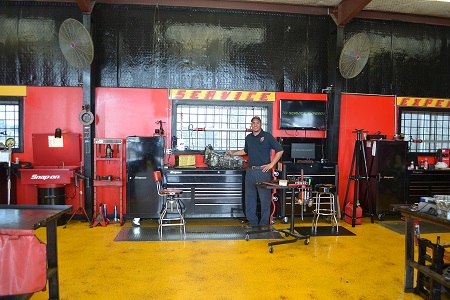
Professional repair facilities maintain organized work areas to reduce hazards. Clear floors, proper tool storage, and designated service zones help prevent accidents and allow technicians to focus on their work. Safety equipment such as protective eyewear, gloves, and insulated tools supports consistent repair safety during daily operations.
Training plays a major role in automotive safety. Certified technicians stay current with changing vehicle technology and service procedures. Ongoing education ensures they understand how to work safely around airbags, electronic systems, and high-voltage components.
For drivers, this foundation of safety means repairs are completed with care and attention. A shop that prioritizes automotive safety reduces the likelihood of overlooked issues and supports dependable performance once the vehicle returns to the road.
Certified Technicians and Diagnostic Procedures That Support Repair Safety
Repair safety depends heavily on the skill and preparation of the technician performing the work. Certified technicians bring structured knowledge and hands-on experience to every service. Certification reflects a commitment to safe repair methods and ongoing technical development.
Modern diagnostics also play a central role in repair safety. Advanced diagnostic tools allow technicians to identify issues without unnecessary disassembly or trial-and-error methods. Accurate diagnostics help prevent unsafe conditions such as electrical shorts, fuel system problems, or malfunctioning restraint systems.
Using diagnostics correctly protects both the technician and the vehicle. Systems can be tested under controlled conditions rather than during operation, reducing risk during repairs. This approach also limits unnecessary part replacement, which can introduce new issues if done incorrectly.
Repair safety improves when technicians follow documented procedures and verify repairs before returning a vehicle to service. Testing systems after repairs confirms proper operation and helps ensure no safety-related concerns remain.
For San Antonio drivers, working with a shop that values certification and diagnostics provides reassurance that repairs are handled responsibly from start to finish.
Warning Signs That Signal Safety-Related Repair Needs
Drivers play an important role in repair safety by recognizing warning signs early. Vehicles often communicate issues through sounds, lights, and changes in performance. Paying attention to these signs helps prevent situations that could affect safe operation.
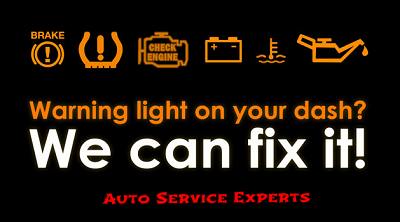
Dashboard warning lights are among the most visible indicators. Alerts related to braking systems, airbags, engine operation, or stability control should always prompt professional inspection. These systems directly affect how a vehicle responds in everyday driving situations.
Unusual noises also deserve attention. Grinding brakes, clunking suspension sounds, or squealing belts often indicate wear that can worsen if ignored. Vibrations, pulling during braking, or steering instability may point to alignment or suspension concerns that affect vehicle control.
Other warning signs include fluid leaks, burning odors, delayed acceleration, or hesitation during shifting. These symptoms may suggest issues that compromise repair safety if left unresolved.
Addressing warning signs early allows technicians to correct problems before they affect other systems. For drivers in San Antonio, where vehicles are often used daily, prompt service supports safer driving and smoother maintenance visits.
Safety Standards during Routine Maintenance and Repairs
Safety standards apply not only during complex repairs but also during routine maintenance. Oil changes, brake inspections, tire services, and fluid checks all involve procedures designed to protect technicians and vehicles.
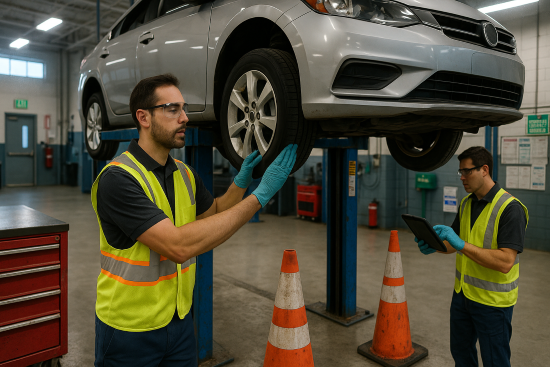
One of the most visible safety practices involves lifting and supporting vehicles. Professional shops use lifts and jack stands rated for vehicle weight and designed for stability. Technicians confirm proper placement before working underneath a vehicle and never rely on unsupported lifting equipment.
Maintenance procedures also include checking fastener torque, inspecting components for wear, and verifying fluid levels. These steps help prevent issues that could affect safe operation after service.
Shop safety extends to handling tools and equipment correctly. Power tools, diagnostic devices, and lifting equipment are maintained regularly to ensure proper function. Clear labeling and organized storage reduce the chance of misuse.
For drivers who perform light maintenance at home, understanding these safety standards helps highlight why professional service is often the safer option. Shops that follow established safety practices provide a controlled environment designed to reduce risk during every service visit.
Choosing a Repair Shop That Prioritizes Safety Practices
Selecting a repair shop involves trust. Drivers benefit from choosing a shop that demonstrates a clear commitment to car repair safety practices at every level of operation.
Signs of a safety-focused shop include clean and organized work areas, technicians who explain procedures clearly, and service advisors who encourage questions. Written estimates, documented inspections, and post-repair testing all reflect a methodical approach to repair safety.
In San Antonio, where driving conditions place steady demand on vehicles, safety-focused repairs support long-term reliability. Shops that prioritize safety tend to address concerns thoroughly rather than rushing through services.
If your vehicle needs maintenance or repair, scheduling service with a shop that values safety practices helps protect your investment and supports confident driving. Working with trained professionals who follow structured safety standards allows you to focus on the road ahead rather than worrying about unresolved issues.