
Ford & Lincoln Transmission Repairs | Auto Service Experts
If your Ford & Lincoln Transmission is slipping, shuddering, shifting hard, or refusing to engage, the worst part is not knowing whether you are looking at a minor fix or a major one. That uncertainty is exactly where transmission horror stories begin — when parts get replaced before anyone confirms the actual cause.
Ford and Lincoln run several distinct transmission platforms — the 6R80, 10R80, 6F35, and PowerShift dual-clutch — across vehicles like the F-150, Explorer, Escape, Fusion, Mustang, Expedition, Navigator, and Aviator. The same symptom can point to completely different causes depending on your vehicle’s platform.
Carlos Rodriguez and our ASE-certified team use Ford- and Lincoln-specific diagnostics to pinpoint the exact fault before recommending anything. Clear answer first. Every time. Learn more about our transmission repair shop in San Antonio..

Ford & Lincoln Transmission- Diagnostic Overview
Ford & Lincoln vehicles span a wide range of transmission platforms, and that matters more than most people realize. A 2015 F-150 with the 6R80 six-speed behaves completely differently under failure than a 2019 F-150 with the 10R80 ten-speed — and both are nothing like a Ford Focus with the PowerShift dual-clutch automatic. Lincoln vehicles including the Navigator, Aviator, and Nautilus share these same platforms and exhibit the same failure patterns.
This means the symptom you are describing — the slip, the shudder, the hard shift — could have a very different cause depending on exactly which transmission your vehicle has. That is why the first thing we determine is which platform you are dealing with before any diagnostic testing begins. Everything else follows from that.
Diagnostic Snapshot
Here is what that process actually looks like. Diagnosis starts with confirming the exact transmission platform, pulling full fault codes from both the powertrain control module and transmission control module, and running live data monitoring specific to that platform. Replacing generic parts without testing is one of the leading causes of repeat transmission failures in Ford vehicles — and it is exactly what this process is designed to prevent.
The sections below cover the most common Ford transmission problems by platform, which models are affected, and how the diagnostic process isolates the exact fault before any repair is recommended.
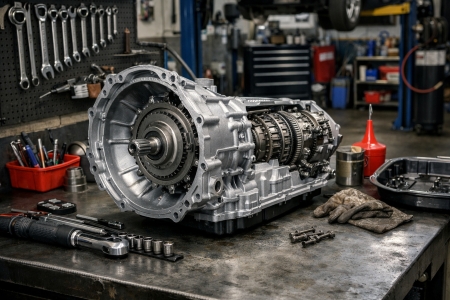
What Ford & Lincoln Owners Commonly Report
Ford transmission problems most commonly reported by owners include:
- Shudder or vibration at highway speed during light throttle is common on the F-150 with 6R80 and 10R80
- Harsh, jerky, or delayed shifts are commonly reported on Focus and Fiesta with PowerShift dual-clutch
- Transmission slipping or RPM surge during acceleration is common across multiple Ford platforms
- Delayed engagement from park to drive or park to reverse is reported on Explorer and Escape
- Transmission warning light or check engine light with P07xx or P17xx fault codes
- Complete loss of drive in severe cases reported on high-mileage F-150 and Explorer
Why Ford-Specific Diagnosis Matters
Ford has used multiple transmission designs across its lineup, and the failure patterns differ significantly by platform. The PowerShift dual-clutch in the Focus and Fiesta requires a completely different diagnostic approach than the 6R80 or 10R80 hydraulic automatics in the F-150. Applying the wrong procedure — or replacing a solenoid based on a code alone — is one of the most common reasons Ford transmission repairs fail the second time around.
At Auto Service Experts, every Ford transmission diagnostic begins with platform identification and model-year-specific procedure selection before any live data testing or component evaluation is performed.
Common Ford Transmission Problems by Platform
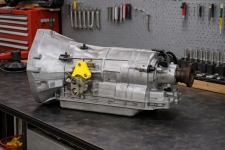
Ford & Lincoln 6R80 — F-150, Mustang, Explorer (2009–Present)
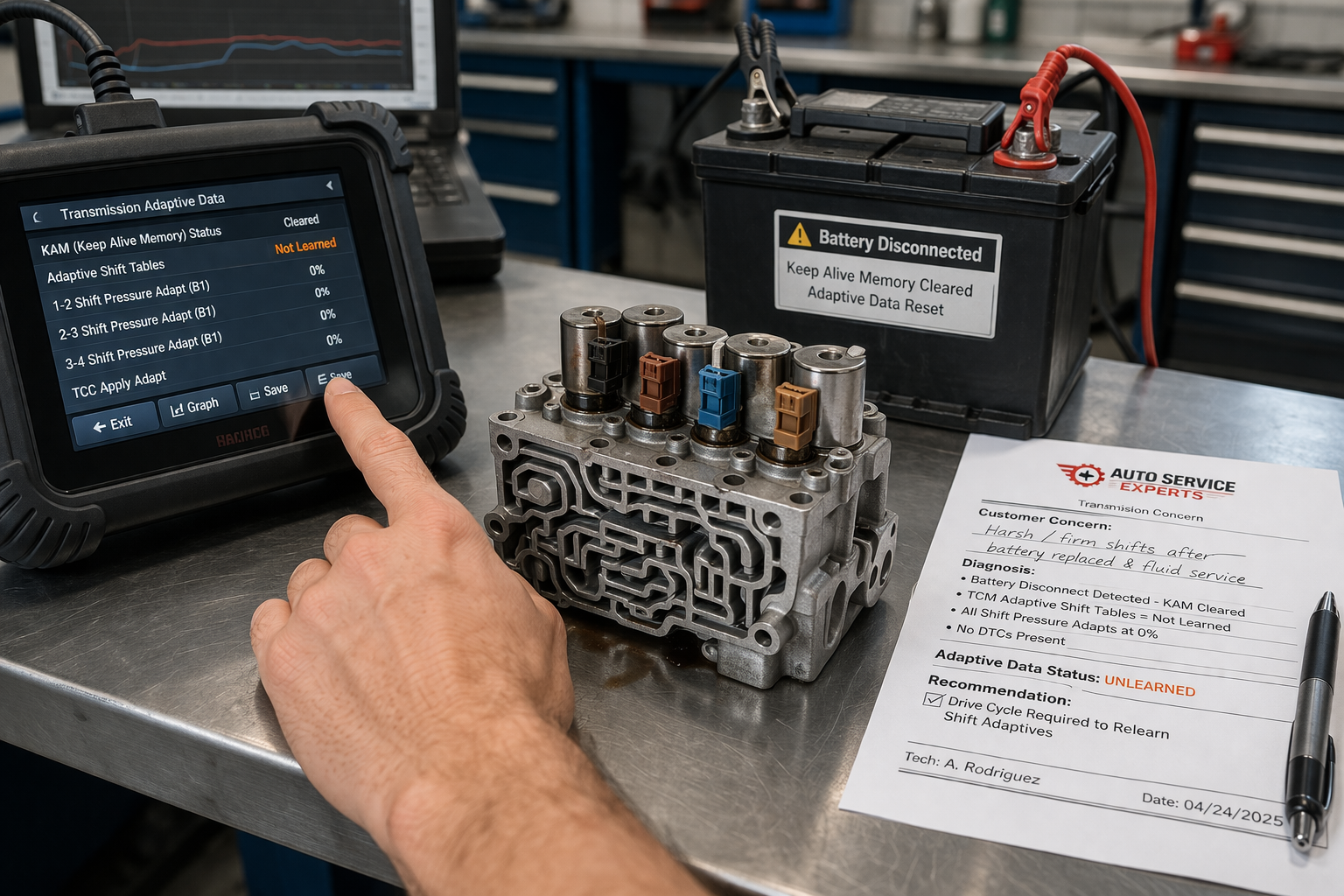
The 6R80 six-speed automatic is one of Ford’s most widely used transmissions. Common issues include torque converter clutch shudder between 40–55 mph, solenoid body wear causing erratic shifting, and forward clutch pack wear on high-mileage units. The 6R80 is also prone to adaptive shift data corruption after battery disconnects or module replacements. Confirmed through live TCC monitoring, solenoid resistance testing, and hydraulic pressure analysis.
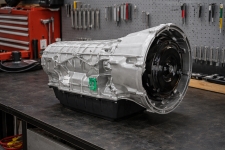
Ford & Lincoln 10R80 — F-150, Mustang, Expedition (2017–Present)
The 10R80 ten-speed automatic introduced in the 2017 F-150 is known for harsh or jerky shifts in lower gears, particularly during light acceleration. Ford has issued multiple technical service bulletins addressing 10R80 shift quality through transmission control module software calibration updates. Physical solenoid and valve body wear are confirmed causes in higher-mileage units. Confirmed through TSB review, module software verification, and live shift quality data.
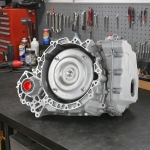
Ford PowerShift DCT — Focus, Fiesta (2011–2016)
The PowerShift dual-clutch automatic — also designated DPS6 — is Ford’s most problematic transmission platform. Known issues include shuddering during low-speed engagement, clutch slip under light acceleration, hesitation during gear changes, and jerking at parking-lot speeds. The PowerShift uses dry clutch packs rather than a hydraulic torque converter, making its failure patterns distinct from traditional automatics. Confirmed through clutch adaptation reset, live clutch slip monitoring, and dry clutch pack inspection.
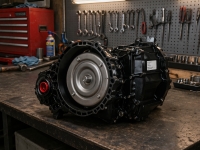
Ford 6F35 — Escape, Fusion, Edge (2009–Present)
The 6F35 six-speed front-wheel-drive automatic is commonly found in the Escape, Fusion, and Edge. Frequent issues include delayed engagement, solenoid pack wear, torque converter clutch shudder, and valve body pressure faults. The 6F35 is also susceptible to internal contamination from infrequent fluid service. Confirmed through hydraulic pressure testing, solenoid resistance analysis, and fluid condition inspection.
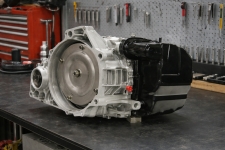
Ford Select Shift — Explorer, Edge, Flex (Various Years)
Ford’s SelectShift-equipped vehicles use the same transmission hardware as their standard counterparts — the 6R80 in the Explorer and the 6F35 in the Edge — with the addition of driver-selectable gear control. Solenoid wear, adaptive data corruption, and valve body pressure faults are the most commonly confirmed causes of shift quality complaints. Confirmed through live solenoid monitoring and adaptive data review.
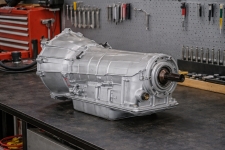
High-Mileage Wear Across All Ford Platforms
Ford transmissions across all platforms show consistent patterns of forward clutch pack wear, solenoid screen contamination, and valve body wear beyond 100,000 miles — particularly when fluid service intervals have been missed. Confirmed through hydraulic pressure testing and internal inspection.
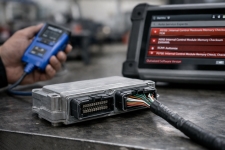
2019 F-150 | 10R80 Shift Quality
A 2019 F-150 with the 10R80 came in with harsh 1-2 and 2-3 shifts under light acceleration. No stored fault codes. Live solenoid data was clean across all shift circuits. Carlos pulled the current TCM calibration and compared it against the Ford TSB index — the module was two software revisions behind a published fix for exactly that complaint. TCM update, adaptive data reset, road test confirmed. No parts replaced.
2016 Ford Focus | PowerShift Shudder
A 2016 Ford Focus came in with low-speed shudder and hesitation pulling out of parking lots. The owner had been told it needed a new clutch. Clutch adaptation data showed the DPS6 was operating outside learned parameters but clutch wear measurements were still within spec. Adaptation reset and fluid service with the correct Motorcraft MTF-LV fluid. Shudder resolved. No clutch replacement.
Ford Power Shift DCT — Focus and Fiesta (2011–2019)
The Ford PowerShift is a dual-clutch transmission — not a traditional automatic. It uses two independent dry clutches operating in parallel, with no torque converter, no hydraulic fluid circuit, and no oil pump. Ford designed it for fuel efficiency but the platform developed well-documented reliability issues across the Focus and Fiesta, including shudder during low-speed acceleration, hesitation on takeoff, and erratic engagement.
Diagnosis on the PowerShift requires a different approach than conventional automatic transmission diagnosis. There is no fluid to evaluate and no hydraulic pressure to test — fault code retrieval, clutch actuator testing, and TCM data monitoring are the correct starting points before any repair recommendation is made.
Professional Diagnostic Process for Ford Transmissions
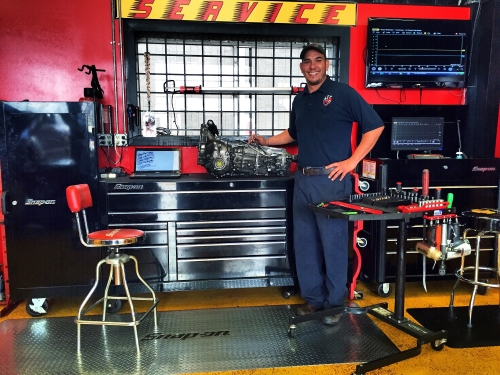
Our ASE CodeLogic diagnostic workflow for Ford transmissions includes:
Verified Ford & Lincoln Diagnostic Protocol
- Identify vehicle model year, engine, and transmission platform before any testing begins
- Review applicable Ford Technical Service Bulletins for the identified platform
- Retrieve all stored and pending fault codes from the PCM and TCM
- Review freeze-frame and adaptive shift data
- Perform a live hydraulic pressure test or clutch adaptation evaluation based on platform
- Conduct a platform-specific road test with live data monitoring
- Perform solenoid resistance and circuit integrity testing on identified fault circuits
- Verify current TCM software calibration and update if Ford TSB applies
- Confirm repair with final road test, system scan, and adaptive data reset
Carlos and Jason follow this sequence on every Ford and Lincoln transmission diagnostic at our San Antonio shop. It is the reason Ford-specific faults are correctly identified and resolved the first time.
Ford & Lincoln Models Commonly Serviced
The following Ford vehicles are among the most frequently diagnosed for transmission concerns at our San Antonio shop:
Each vehicle is diagnosed using model-year and platform-specific procedures before any repair is recommended.
Ford & Lincoln F-150 Navigator , Expedition (2009–Present)
The best-selling vehicle in America carries the 6R80 through 2016 and the 10R80 from 2017 forward. TCC shudder, shift quality complaints, and solenoid wear are the most common confirmed faults.
Ford & Lincoln Explorer , Aviator (2011–Present)
The Explorer uses the 6R80 in rear-wheel-drive configurations and the 6F55 in all-wheel-drive versions. Delayed engagement, torque converter concerns, and solenoid faults are the most commonly confirmed issues.
Ford Focus (2011–2016)
The PowerShift-equipped Focus is the most frequently diagnosed Ford transmission concern at our shop. Clutch shudder, slip, and hesitation are confirmed through clutch adaptation procedures and live clutch monitoring.
Ford Escape (2013–Present)
The Escape uses the 6F35 transaxle. Delayed engagement, solenoid wear, and TCC shudder are the most commonly confirmed faults on higher-mileage Escapes.
Ford Fusion (2013–Present)
The Fusion also uses the 6F35. Valve body wear, solenoid faults, and fluid contamination from infrequent service are the most commonly confirmed causes of shift quality complaints.
Ford Mustang (2011–Present)
The Mustang uses the 6R80 through 2017 and the 10R80 from 2018 forward. TCC shudder and 10R80 shift quality concerns are the most commonly confirmed faults.
Ford Fiesta (2011–2016)
The PowerShift-equipped Fiesta shares the same DPS6 dual-clutch platform as the Focus. Clutch shudder, low-speed hesitation, and slip under light acceleration are the most commonly confirmed faults. Diagnosis requires clutch adaptation, reset, and live clutch slip monitoring.
Lincoln Navigator Expedition (2009–Present)
The Navigator uses the 6R80 through 2016 and the 10R80 from 2018 forward — the same platforms as the F-150 and Expedition. TCC shudder, solenoid wear, and 10R80 shift quality concerns are the most commonly confirmed faults.
Lincoln Aviator (2020–Present)
The Aviator uses the 10R80 ten-speed automatic shared with the Ford Explorer ST and Expedition. Shift quality concerns and TCM calibration faults are the most commonly reported issues.
Lincoln Nautilus (2019–Present)
The Nautilus uses the 8F35 eight-speed front-wheel-drive automatic. Solenoid wear, delayed engagement, and fluid contamination from infrequent service are the most commonly confirmed faults..
What Ford & Lincoln Transmission Problems Are NOT
Ford transmission concerns are frequently misidentified. Proper differential diagnosis separates confirmed transmission faults from:
Ford & Lincoln PowerShift Hesitation Mistaken for Engine Fault
The PowerShift DCT hesitation and shudder at low speed is frequently misdiagnosed as an engine stumble or throttle body fault. The PowerShift’s dry clutch engagement behavior is mechanically distinct from hydraulic automatic behavior and requires clutch-specific diagnostic procedures.
10R80 Shift Firmness Mistaken for Solenoid Failure
The 10R80’s firm low-gear shifts are often mistaken for solenoid or valve body failure when the actual cause is an outdated transmission control module calibration. A software update frequently resolves shift quality complaints without any parts replacement.
Engine Misfire Mistaken for Transmission Fault
Ford EcoBoost engines — including the 2.7L and 3.5L turbocharged units in the F-150 — are prone to carbon buildup on intake valves that causes misfires at specific RPM ranges. These misfires are frequently mistaken for TCC shudder or transmission slip. Confirmed through dual-system live data monitoring.
Symptom-Specific Diagnosis for Ford & Lincoln Vehicles
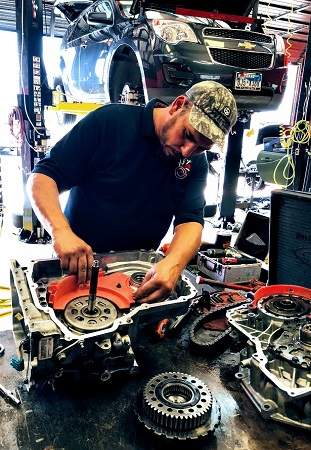
Ford & Lincoln transmission symptoms vary by platform and model year. The diagnostic approach is determined by the specific transmission installed in the vehicle.
- F-150 Shudder at 40–55 MPH TCC shudder on the 6R80 or 10R80 is confirmed through live TCC command and slip monitoring at the shudder speed. Fluid condition and TCC calibration software are evaluated before converter replacement is recommended.
- Focus or Fiesta Shudder and Hesitation PowerShift clutch shudder and hesitation require a clutch adaptation reset, and live clutch slip monitoring before any mechanical repair is recommended. Many PowerShift complaints resolve with an adaptation reset and fluid service.
- Explorer or Escape Delayed Engagement Delayed engagement on 6R80 or 6F35 equipped vehicles is diagnosed through hydraulic line pressure testing and solenoid circuit evaluation to confirm whether the fault is electronic or hydraulic.
- F-150 or Mustang Harsh 1-2 or 2-3 Shift 10R80 shift quality complaints are first evaluated against current Ford TSBs and module software calibration before any mechanical diagnosis is performed.
- Any Ford — Transmission Warning Light With P07xx Code Ford transmission codes in the P07xx range indicate solenoid circuit, pressure, or mechanical faults. Code retrieval is followed by circuit testing before any solenoid replacement is recommended.
Diagnosis for all Ford platforms requires model-year identification, TSB review, and platform-specific live-data procedures.
Related Transmission System Resource
This page connects directly to our comprehensive Transmission System Authority Hub and to the full library of symptom-specific diagnostic pages that apply directly to Ford transmission problems. Because Ford transmission faults present across a range of symptoms, the pages below provide detailed diagnostic information for each condition your Ford vehicle may be experiencing.
Our diagnostic testing process applies Ford-specific procedures to each platform to ensure the correct fault is identified before any repair is performed.
Safety Considerations
Ford transmission problems vary in urgency depending on the platform and symptom. A Focus with PowerShift shudder at low speed is typically drivable but should be diagnosed promptly to prevent clutch wear progression. An F-150 with sudden loss of drive or a transmission warning light in failsafe mode should not be driven until diagnosed.
If your Ford or Lincoln transmission warning light is on, the vehicle is stuck in a single gear, or you have experienced a sudden loss of drive, pull safely to the side of the road and contact our San Antonio shop before attempting further operation. When you call, have your model year, engine size, and a description of when the symptom occurs ready — that information allows our service team to identify your transmission platform and prepare the correct diagnostic procedure before you arrive.
In most cases, Ford and Lincoln transmission diagnostic testing is completed the same day at our San Antonio shop.
Ford & Lincoln Failures Prevention
- Using only Ford-specified transmission fluid — Mercon LV for 6R80 and 6F35, Mercon ULV for 10R80, and Motorcraft MTF-LV for the PowerShift DPS6 — using the incorrect fluid is a confirmed cause of solenoid damage, TCC failure, and clutch wear progression.
- Performing fluid and filter service at Ford’s recommended intervals — not the outdated “lifetime fluid” guidance
- Resetting adaptive shift data after any solenoid, valve body, or fluid service
- Verifying the current TCM software calibration after any module replacement or battery disconnect
- Inspecting and cleaning solenoid screens during any fluid service on high-mileage Ford transmissions
- Performing a post-repair road test with live TCC and shift quality monitoring before vehicle return
Ford & Lincoln Transmission Symptom Pages (Full Diagnostic Library)
Use these pages to research the specific symptom your Ford vehicle is experiencing:
• Transmission Slipping – Clutch pack wear, solenoid faults, and hydraulic pressure loss — common on F-150 6R80 and Escape 6F35.
• Transmission Jerks or Bangs When Shifting – Harsh shift events — frequently reported on F-150 and Mustang with the 10R80.
• Car Won’t Go Into Gear or Delays Going Into Drive – Delayed engagement — common on Explorer and Escape with 6R80 and 6F35.
• Transmission Fluid Leak Under Car – Inspection of pan gaskets, cooler lines, and seals — applicable to all Ford transmission platforms.
• Car Revs but Won’t Move -Complete drive loss — reported on high-mileage F-150 and Explorer.
• Check Engine Light With Transmission Code – Diagnosis of P07xx and P17xx Ford transmission fault codes across all platforms.
• Engine Problems That Feel Like Transmission Issues – Separating EcoBoost engine misfires and carbon buildup from Ford transmission faults.
• Torque Converter Failure – TCC shudder and converter failure — a primary concern on F-150 with 6R80 and 10R80.
Frequently Asked Questions About Ford & Lincoln Transmission Problems.
What are the most common Ford and Lincoln transmission problems?
The most common confirmed Ford and Lincoln transmission problems are TCC shudder on the F-150 and Navigator 6R80 and 10R80, clutch shudder and hesitation on the Focus and Fiesta PowerShift, delayed engagement on the Explorer, Escape, and Nautilus, and harsh shift quality on the F-150, Mustang, and Aviator 10R80. Each requires a platform-specific diagnostic approach.
Is the Ford PowerShift transmission reliable?
The PowerShift dual-clutch transmission used in the 2011–2016 Focus and Fiesta has a documented history of clutch wear, shudder, and hesitation. Many of these issues can be improved through clutch adaptation resets and fluid service, but vehicles with advanced clutch wear require mechanical repair.
Does the Ford F-150 10R80 have transmission problems?
Yes. The 10R80 ten-speed has been subject to multiple Ford Technical Service Bulletins addressing harsh low-gear shifts and shift quality concerns. In many cases, a TCM software calibration update resolves the complaint without parts replacement. Mechanical solenoid and valve body wear are confirmed in higher-mileage units.
Can a software update fix my Ford transmission problem?
In many cases, yes. Ford has issued TCM calibration updates for the 10R80 and several other platforms that address shift quality complaints. Verifying the current software version is always the first step in diagnosing a Ford shift quality concern before any mechanical diagnosis is performed.
What transmission fluid does a Ford F-150 use?
Most Ford F-150 models with the 6R80 require Mercon LV fluid. The 10R80 requires Mercon ULV. Using the incorrect fluid type is a leading cause of solenoid damage, TCC shudder, and valve body wear in Ford transmissions. Always verify the correct specification for your model year before any fluid service.
How much does Ford or Lincoln transmission repair cost in San Antonio?
Cost depends entirely on the confirmed fault and transmission platform. A TCM software update or solenoid replacement differs significantly in cost from a torque converter replacement or internal clutch pack repair. Accurate platform-specific diagnosis determines the repair scope before any cost is committed.
Have Transmission Repair Questions?
Call 210-495-6688 now to speak with an ASE-Certified Transmission specialist or automotive service consultant.