
Transmission Won’t Go Into Gear or Delays Going Into Drive | Auto Service Experts
If your car’s transmission won’t go into gear, hesitates before engaging drive, or sits in neutral for several seconds after shifting, your transmission is failing to deliver hydraulic pressure or mechanical engagement on command. A car that won’t go into gear or delays going into drive is one of the most stressful transmission symptoms a driver can experience and is commonly reported on Ford, Chevy, Dodge, Toyota, Honda, and Chrysler vehicles.
Whether the fault is hydraulic, electronic, or mechanical, Auto Service Experts handles the full range of transmission repair services in San Antonio from engagement failure to complete system rebuilds. At Auto Service Experts in San Antonio, our ASE-certified technicians perform structured diagnostic testing to identify the exact cause before any parts are replaced.
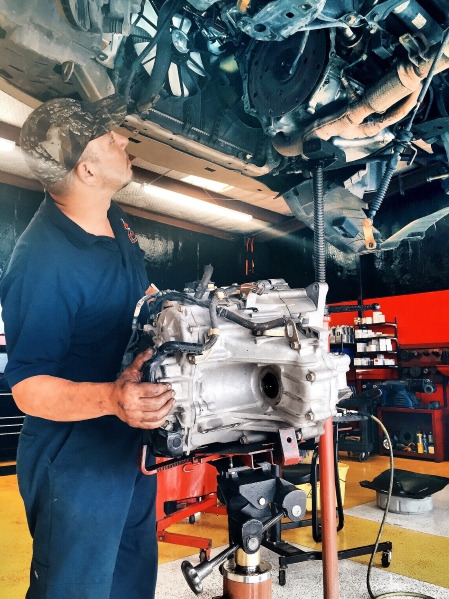
Transmission won’t Go Into Gear – Diagnostic Overview
This page is part of the Transmission Diagnostic Support Series at Auto Service Experts in San Antonio and is designed to answer one primary concern: why won’t my car go into gear, and is it safe to drive?
In most cases, no. A vehicle that refuses to engage a gear or delays going into drive has a condition that will worsen with continued operation. The automatic transmission relies on hydraulic pressure, solenoid commands, and mechanical clutch engagement to move the vehicle. When any one of those systems fails to perform, the vehicle may sit motionless after shifting, creep weakly before engaging, or refuse to move at all.
Diagnostic Snapshot
When a car won’t go into gear or delays engagement, the transmission is failing to build sufficient hydraulic pressure, a solenoid is not responding to the control module’s command, or a mechanical component is not engaging. Diagnosis begins with fault code retrieval, live hydraulic pressure testing, and fluid condition inspection before any components are replaced.
This guide explains the verified causes of delayed or failed gear engagement, which systems are involved, and how structured diagnostic testing isolates the exact fault before any parts are replaced.
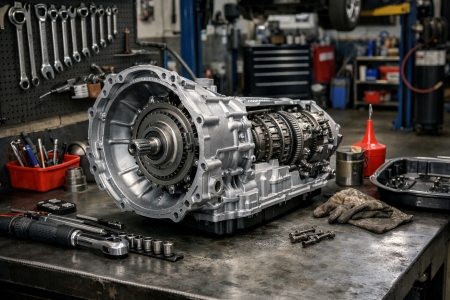
What Drivers Typically Feel When the Transmission Will Not Go Into Drive.
When a car won’t go into gear or delays going into drive, drivers commonly report:
- Shifting to drive or reverse with no vehicle movement for 2–10 seconds
- Engine revving normally but the car not moving when placed in gear
- A soft or weak engagement where the car barely creeps before catching
- Complete inability to select any forward or reverse gear
- Transmission warning light or check engine light illuminated
- Worsening delay as the transmission warms up or after sitting overnight
Why Proper Diagnostics Matter When Your Vehicle Won’t Go Into Gear
Delayed or failed gear engagement can look identical whether caused by low hydraulic pressure, a failed forward clutch solenoid, a worn forward clutch pack, or a faulty transmission range sensor. Without structured testing, it is common to assume a fluid issue when the actual root cause involves solenoid failure, internal clutch wear, or an electronic range sensor sending incorrect gear position data to the control module.
During professional automotive diagnostics at Auto Service Experts proper evaluation includes fault code retrieval, live hydraulic pressure testing at idle and stall, solenoid circuit testing, fluid condition analysis, and transmission range sensor verification. Accurate diagnosis prevents unnecessary parts replacement and ensures system reliability.
Common Verified Causes When the Transmission Won’t Go Into Gear
The following causes are confirmed through structured diagnostic testing.
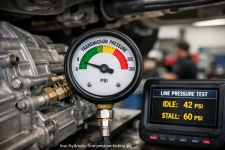
Low Hydraulic Line Pressure
Insufficient hydraulic pressure prevents clutch packs from engaging fully or at all. This is typically caused by low fluid, a worn pump, or internal pressure leaks. Confirmed through live line pressure testing at idle and under stall conditions.
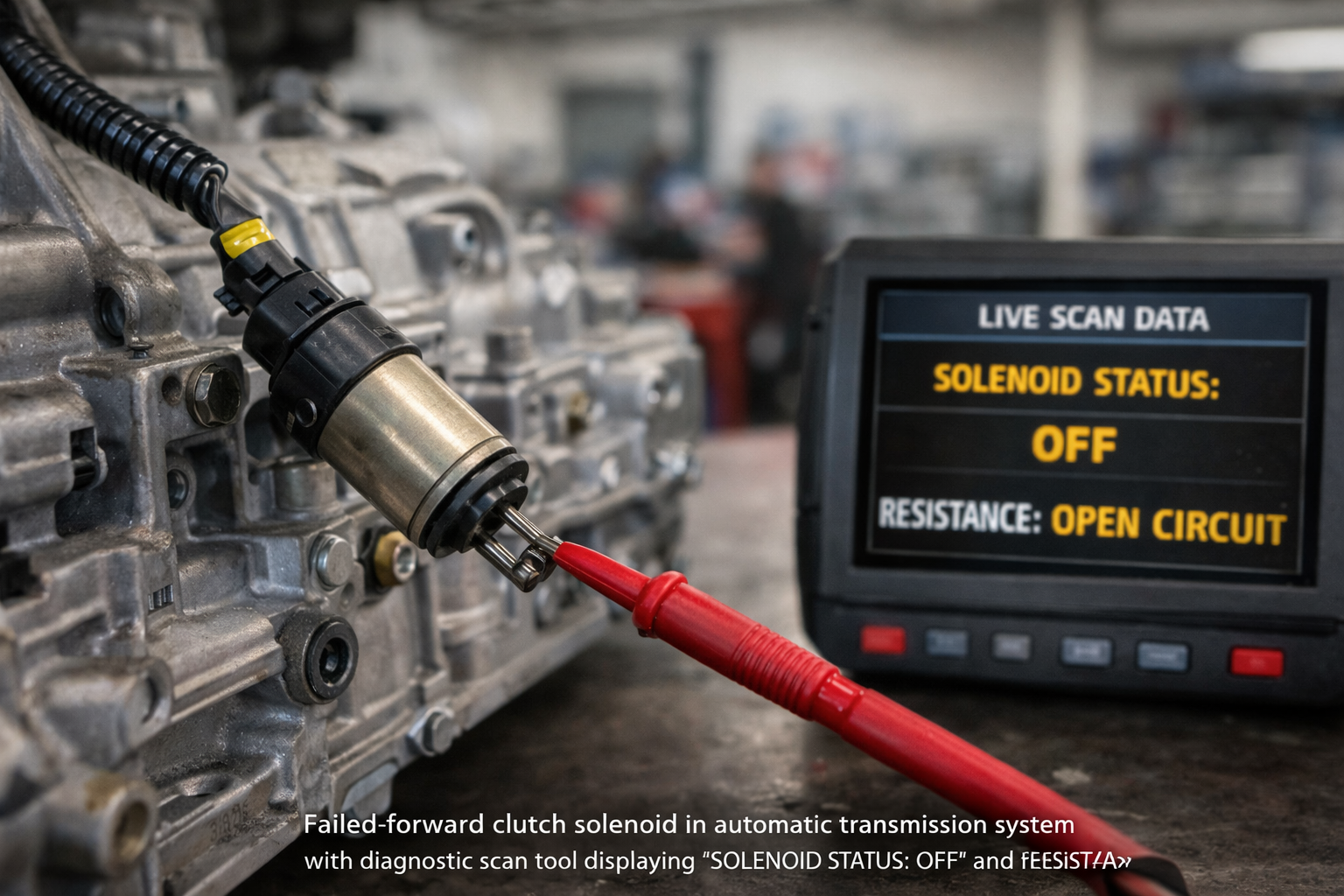
Failed Forward Clutch Solenoid
The forward clutch solenoid controls hydraulic flow to the forward gear circuit. A failed solenoid prevents pressure from reaching the clutch pack, causing a delay or complete failure to engage drive. Verified through solenoid resistance testing and live scan data.
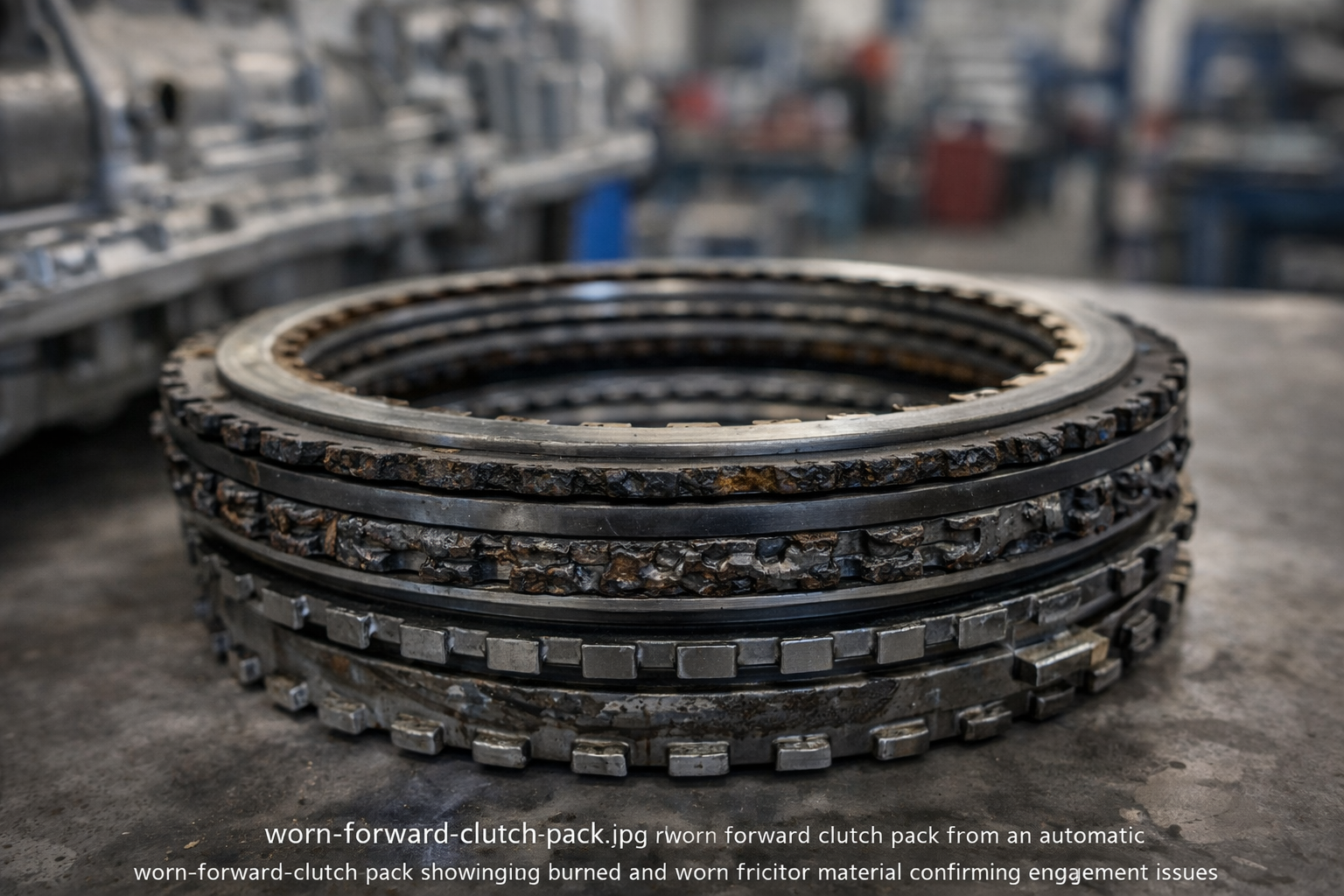
Worn Forward Clutch Pack
The forward clutch pack is the primary mechanical component that engages the drivetrain when drive is selected. Worn or burned friction material causes a soft, delayed, or absent engagement. Confirmed through hydraulic pressure testing and internal inspection.
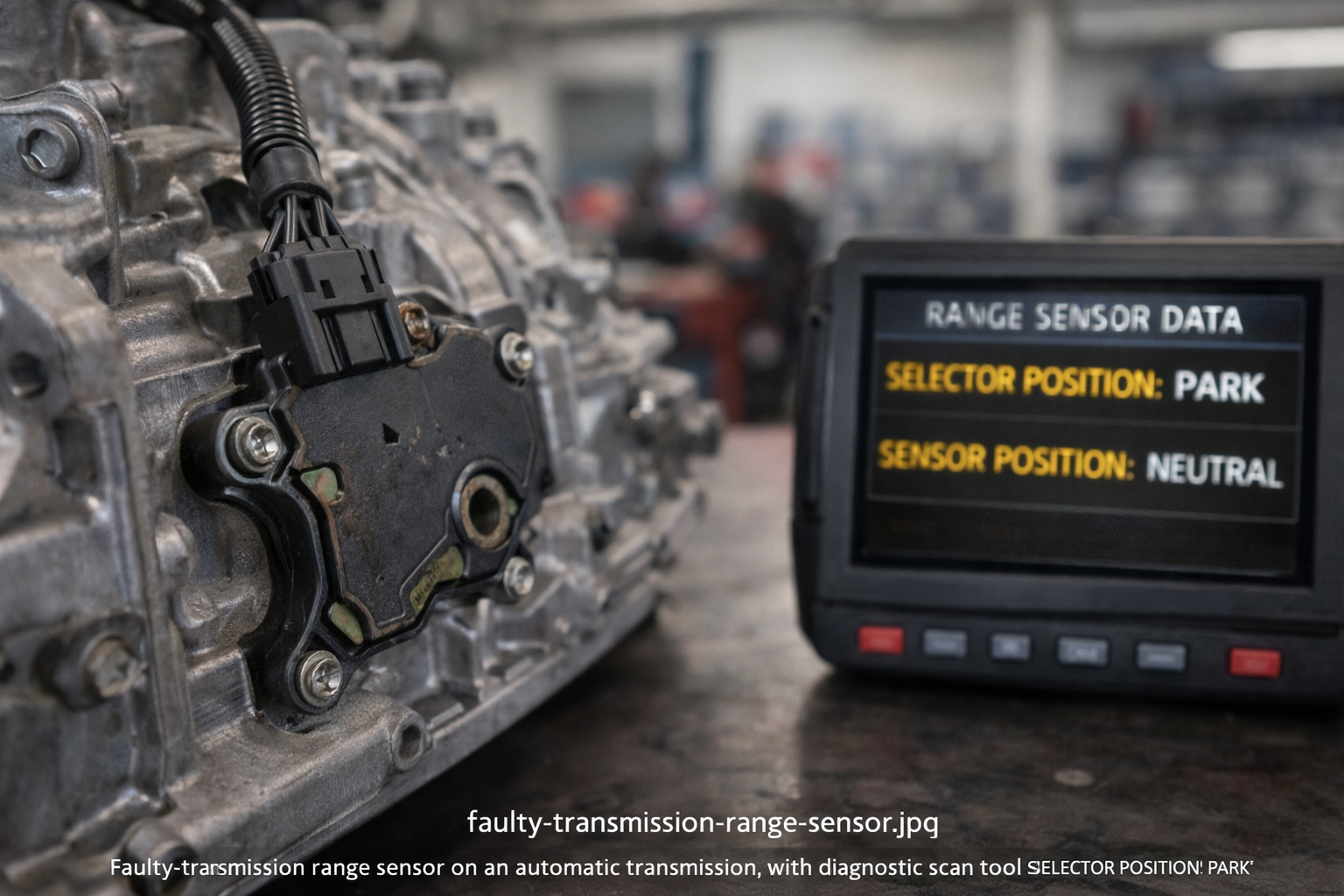
Faulty Transmission Range Sensor
The transmission range sensor communicates gear selector position to the control module. A faulty sensor may report an incorrect position, preventing the module from commanding gear engagement. Confirmed through live range sensor data and selector position comparison.
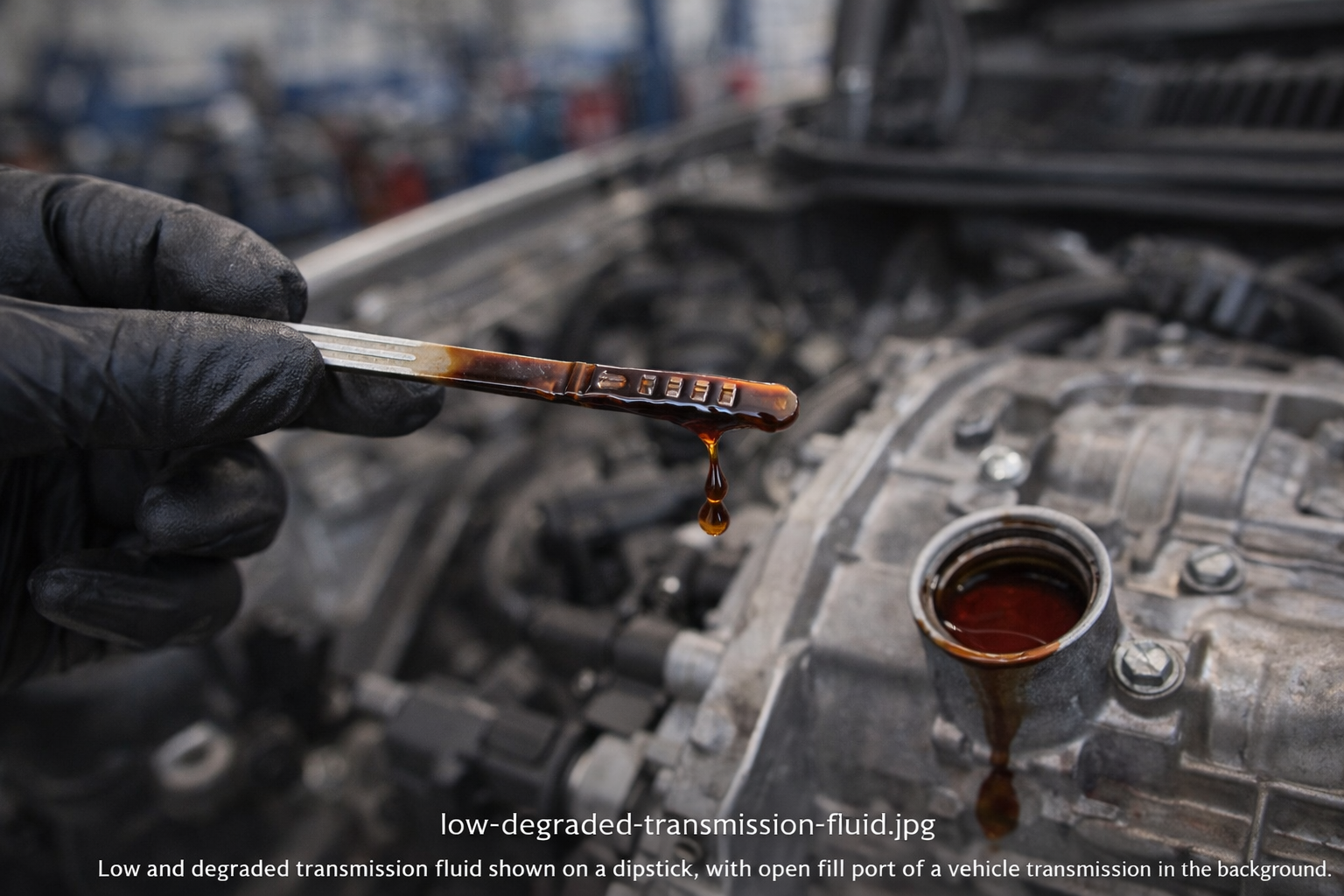
Low or Degraded Transmission Fluid
Low fluid starves the hydraulic pump and reduces line pressure throughout the system. Degraded fluid loses its viscosity and pressure-holding characteristics. Confirmed through fluid level inspection and fluid condition analysis.
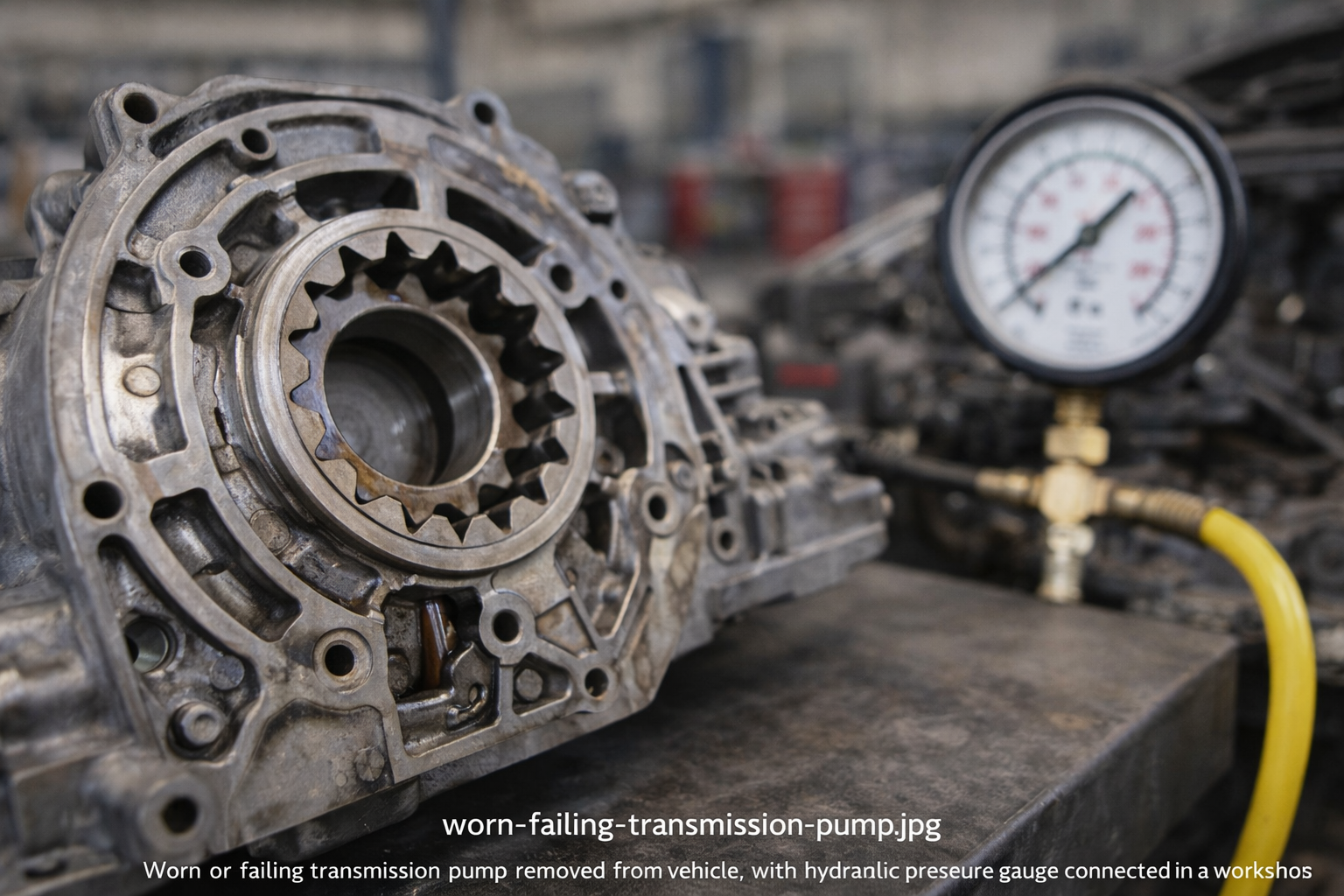
Worn or Failing Transmission Pump
The transmission pump generates all hydraulic pressure in the system. A worn pump cannot maintain adequate pressure for clutch engagement, particularly after extended idling or when fluid is cold. Confirmed through hydraulic pressure testing under multiple conditions.
Professional Diagnostic Process
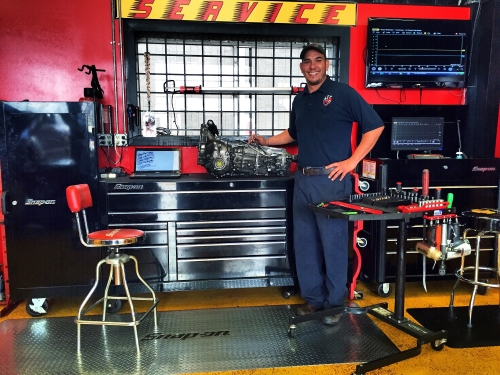
At Auto Service Experts, every no-engagement concern is evaluated through our ASE CodeLogic diagnostic workflow before any repair recommendation is made.
A transmission that won’t go into gear can point to several distinct failure points: hydraulic, electronic, or mechanical. We don’t recommend internal repairs until testing confirms exactly where the problem originates.
Verified Diagnostic Protocol When a Vehicle’s Transmission Delays Going Into Drive
- Document the customer’s concern and record the exact conditions, duration, and pattern of the engagement failure
- Pull all stored and pending transmission fault codes from the control module
- Review freeze-frame data and adaptive engagement parameters for abnormal values
- Conduct a live hydraulic line pressure test at idle, in gear, and at stall to assess clutch pack apply pressure
- Monitor forward clutch solenoid command versus actual response data throughout the engagement test
- Inspect transmission fluid level, condition, color, odor, and available service history
- Verify transmission range sensor position accuracy and test the full circuit for faults or signal dropout
- Run bidirectional functional tests on engagement solenoids through the scan tool to confirm component response
- Complete a final engagement test, road test, and full transmission system scan to verify the repair
Parts Commonly Replaced During Repair When a Car or Truck Won’t Go Into Gear
Repair recommendations are made only after testing establishes a verified root cause. Components addressed may include:
Forward Clutch Solenoid
The forward clutch solenoid regulates hydraulic pressure delivery to the forward gear clutch circuit. A failed solenoid prevents the clutch pack from receiving the pressure needed to engage drive, resulting in a delay or complete loss of forward gear.
Transmission Range Sensor
The transmission range sensor communicates gear selector position to the transmission control module. A faulty sensor can report the wrong gear position, preventing the module from commanding clutch engagement even when drive is selected.
Forward Clutch Pack
The forward clutch pack mechanically connects the drivetrain to the transmission output when drive is engaged. Worn or burned friction material prevents full engagement, producing a delayed, soft, or absent response when the driver selects drive.
Transmission Fluid Pump
The transmission pump is the hydraulic heart of the automatic transmission. A worn or failing pump cannot generate adequate line pressure for clutch engagement, particularly at low RPM or cold operating temperatures.
Transmission Fluid and Filter
Low or degraded fluid is one of the most common contributing factors in delayed gear engagement. A restricted filter compounds pressure loss by restricting flow to the pump and solenoid circuits.
Valve Body
The valve body routes hydraulic pressure from the pump to the correct clutch circuit. Worn bores or stuck valves in the forward gear circuit can restrict pressure delivery and cause engagement delays.
When the Transmission Fails to Go Into Gear, It Is NOT
A car that won’t go into gear or delays engagement is often mistaken for other conditions. Proper differential diagnosis separates it from:
Shift Linkage or Cable Fault
A stretched or misadjusted shift cable can prevent the transmission from mechanically receiving the correct gear selection. The selector may show drive, but the transmission is physically in neutral. Confirmed through manual linkage inspection and selector position verification.
Brake Interlock Switch Failure
Most vehicles require the brake pedal to be depressed before shifting out of park. A failed brake interlock switch prevents gear selection entirely and is often mistaken for a transmission fault. Confirmed through switch testing and circuit verification.
Engine Performance Issue
A severely misfiring or low-power engine may appear not to engage a gear when the transmission is actually functioning correctly. Engine diagnostic testing separates this from a transmission engagement fault.
Speed or Condition-Specific Transmission Failure to Engage Diagnostics in San Antonio
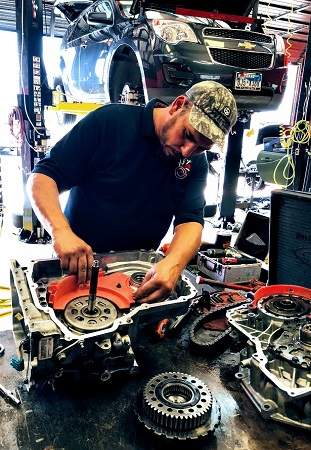
Delayed or failed gear engagement behavior varies by temperature, fluid condition, and operating condition, which significantly narrows the diagnostic focus.
- Cold Start: Delay That Improves When Warm A delay that shortens or disappears after the transmission warms up typically points to fluid viscosity, a cold-sensitive solenoid, or a worn pump that builds pressure more slowly when cold.
- Delay That Worsens When Warm: Engagement delay that increases as the transmission reaches operating temperature suggests internal seal degradation, clutch pack wear, or fluid breakdown under heat.
- Complete Failure to Engage in Drive Only: No forward movement with normal reverse engagement isolates the fault to the forward clutch circuit, forward solenoid, or forward clutch pack specifically.
- No Movement in Any Gear: Total loss of engagement in all gears points to a pump failure, complete loss of line pressure, or a catastrophic internal fault requiring full internal inspection.
- Intermittent Delay, Works Fine Sometimes: An intermittent delay that comes and goes suggests a borderline solenoid, a marginal pressure circuit, or a range sensor with an unstable connection.
Diagnosis requires live hydraulic pressure testing, solenoid command monitoring, and fluid condition evaluation across cold and warm operating conditions.
Safety Considerations
A car that won’t go into gear or experiences a significant engagement delay is not safe for normal driving. A vehicle that suddenly engages after an extended delay can lurch forward unexpectedly, creating a risk in parking lots, traffic, or near pedestrians.
Continued operation with this condition accelerates wear on the forward clutch pack and solenoid circuits and can result in complete loss of forward gear. Drivers in San Antonio experiencing this symptom should avoid situations that require quick, reliable engagement (such as busy intersections or parking structures) until diagnosis is complete.
In most cases, initial diagnostic testing is completed the same day, so you will know the confirmed root cause before any repair decision is made. Call our San Antonio shop to schedule a same-day diagnostic appointment or bring the vehicle in and our service team will get it assessed promptly.
How Repeat Transmission Failure To Engage Problems are Prevented
Reliability after transmission repair comes down to several factors:
- Performing transmission fluid and filter service at manufacturer-specified intervals using the correct fluid type
- Verifying hydraulic line pressure after any pump, solenoid, or valve body repair
- Confirming transmission range sensor calibration and linkage adjustment after any selector or cable service
- Clearing adaptive engagement data and allowing full relearn after clutch or solenoid replacement
- Updating transmission control module software when applicable
- Performing a complete engagement and road test across all gear ranges before vehicle return
The repair isn’t complete until the vehicle passes a full post-repair evaluation.
Related Transmission System Resource
This symptom page connects directly to our comprehensive Transmission System Authority Hub, where full system operation, fluid service intervals, and component interaction are explained in detail. Because delayed or failed gear engagement stems from hydraulic pressure loss, solenoid faults, or mechanical clutch wear, our diagnostic testing process provides accurate subsystem verification before any internal work is performed.
In many cases, a delayed engagement concern is preceded by a transmission fluid service that was performed with the wrong fluid type or without resetting adaptive shift data, which is why our inspection process always includes fluid condition and service history review. For drivers who are overdue for transmission fluid service, our transmission fluid service page explains recommended intervals and fluid specifications. This layered diagnostic structure ensures complete system evaluation rather than isolated part replacement.
Related Transmission Symptoms
Explore other Transmission Diagnostic Support pages:
- When a transmission fails to engage entirely rather than simply delaying, the fault has likely progressed into the complete drive loss scenario covered on our Car Revs but Does Not Move page, where total hydraulic pressure loss, torque converter failure, and forward clutch pack failure are evaluated through structured diagnostic testing.
- A transmission that hesitates before engaging or refuses to move can produce shudder or vibration during the brief moments when partial hydraulic pressure is applied to the clutch packs. If that sensation accompanies the engagement delay, our Transmission Shudder and TCC Flutter Diagnosis page covers the torque converter and solenoid conditions behind that symptom.
- A transmission that won’t engage often shares its root cause with harsh shift events that may have appeared first. Our Harsh Shift and Transmission Bang Diagnosis page explores pressure-control and solenoid faults that can progress to full-engagement failure.
- Engagement failure almost always generates stored fault codes, and in many cases the transmission warning light activates before the driver notices the vehicle will not move. Our Transmission Warning Light and Stored Code Analysis page explains what the control module is reporting and how those codes guide the diagnostic process.
- Low hydraulic pressure is one of the most common causes of delayed or failed engagement, and fluid loss through a leak is one of the fastest ways pressure drops below operating threshold. If a fluid puddle has appeared under the vehicle alongside the engagement concern, our Transmission Fluid Leak Inspection and Source Diagnosis page outlines how the exact leak point is located and confirmed before any repair is performed.
- A transmission that delays engagement or won’t hold a gear under acceleration may also exhibit slip. If the vehicle moves but the transmission loses its grip during driving, our Gear Slip and Transmission Slipping Diagnosis page outlines the specific hydraulic and mechanical causes behind that condition.
Frequently Asked Questions When The Transmission Won’t Go Into Gear
Is it safe to drive if my car won’t go into gear or has a long delay?
No. A vehicle that lurches into gear after a delay can be unpredictable and dangerous. The condition will also worsen with continued driving and risk complete loss of forward gear.
Why does my car take so long to go into drive when it is cold?
Cold-start engagement delays are typically caused by low fluid viscosity, a pump that builds pressure slowly when cold, or a solenoid that does not respond normally until the transmission reaches operating temperature.
Can low transmission fluid cause a car not to go into gear?
Yes. Low fluid is one of the most common causes of delayed or failed gear engagement. However, low fluid is often a symptom of a leak rather than the root cause, so a fluid top-off alone is not a complete repair.
Could the problem be something other than the transmission?
Yes. A failed brake interlock switch or a misadjusted shift cable can prevent gear engagement and is not a transmission fault. Proper diagnosis separates these conditions before any transmission work is performed.
Will the problem go away on its own?
No. Delayed or failed engagement is a progressive condition. Without diagnosis and repair, the underlying fault will worsen and can result in complete loss of forward or reverse gear.
How much does it cost to repair a car that won’t go into gear?
Cost depends entirely on the verified root cause. A range sensor or solenoid replacement differs significantly in cost from a clutch pack or pump repair. Accurate diagnosis prevents unnecessary expense.
Have Transmission Diagnostic or Repair Questions?
Call 210-495-6688 now to speak with an ASE-Certified Transmission Specialist or automotive service consultant.