
Transmission Jerks or Bangs When Shifting | Auto Service Experts
If your transmission jerks, jolts, or makes a banging noise when shifting gears, your vehicle is giving you a clear warning that something is wrong inside the transmission or drivetrain. Transmission jerking or banging when shifting is commonly reported on Ford, Chevy, Dodge, Toyota, Honda, and Nissan vehicles and can range from a firm clunk during gear changes to a violent jolt that shakes the entire vehicle.
When shift quality breaks down, pinpointing the cause requires the same structured approach our team applies across all San Antonio transmission repair work, from solenoid faults and valve body wear to drivetrain movement and mount failure. At Auto Service Experts in San Antonio, our ASE-certified technicians use structured diagnostic testing to identify the exact cause before any parts are replaced.
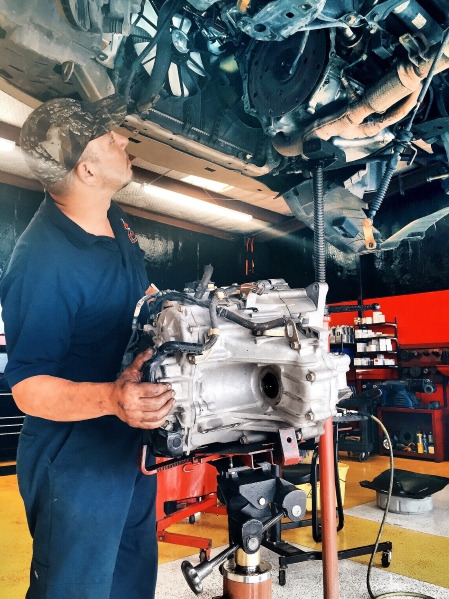
Transmission Jerking or Banging – Diagnostic Overview
This page is part of the Transmission Diagnostic Support Series at Auto Service Experts in San Antonio and is designed to answer one primary concern: why does my transmission jerk or bang when shifting, and is it safe to keep driving?
In most cases, no. An automatic transmission that jerks or bangs during gear changes is experiencing abnormal clutch engagement, pressure irregularities, or mechanical impact that will worsen with continued driving. The transmission control module may have stored fault codes related to solenoid performance, pressure regulation, or adaptive shift data, but in some cases the condition exists without a warning light.
Diagnostic Snapshot
When a transmission jerks or bangs during shifting, hydraulic pressure is being delivered too abruptly, clutch engagement timing is off, or internal mechanical components are impacting under load. Diagnosis begins with fault code retrieval, adaptive shift data review, and live hydraulic pressure testing before any components are replaced.
This guide explains what causes harsh or violent shifting, which systems are involved, and how verified diagnostic testing isolates the exact fault before any parts are replaced.
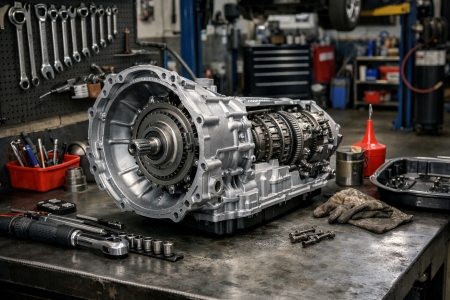
What Drivers Typically Feel When the Transmission Jerks
When a transmission jerks or bangs when shifting, drivers commonly report:
- A hard jolt, clunk, or bang felt through the seat and floorboard during gear changes
- Harsh engagement when shifting from park into drive or reverse
- A sudden lurch during upshifts or downshifts at highway speed
- Transmission banging or thudding under light acceleration
- Check engine light or transmission warning light illuminated in some cases
- Worsening severity as the transmission reaches full operating temperature
Why Proper Transmission Banging/Jerking Diagnostics Matter
Harsh or violent shifting has multiple possible causes ranging from electronic solenoid faults to worn mechanical components. When a shift event produces a bang or jolt, the transmission control module may adapt its shift pressure upward over time, which can accelerate internal wear. Without structured testing, it is common to assume a solenoid fault when the actual root cause may involve valve body wear, corrupted adaptive data, motor or engine mounts, or a failing torque converter.
Advanced Auto Diagnostics at Auto Service Experts include fault code retrieval, adaptive shift data analysis, live pressure monitoring, and mechanical mount inspection. Accurate diagnosis prevents unnecessary parts replacement and ensures system reliability.
Common Verified Causes When the Transmission Jerks or Bangs
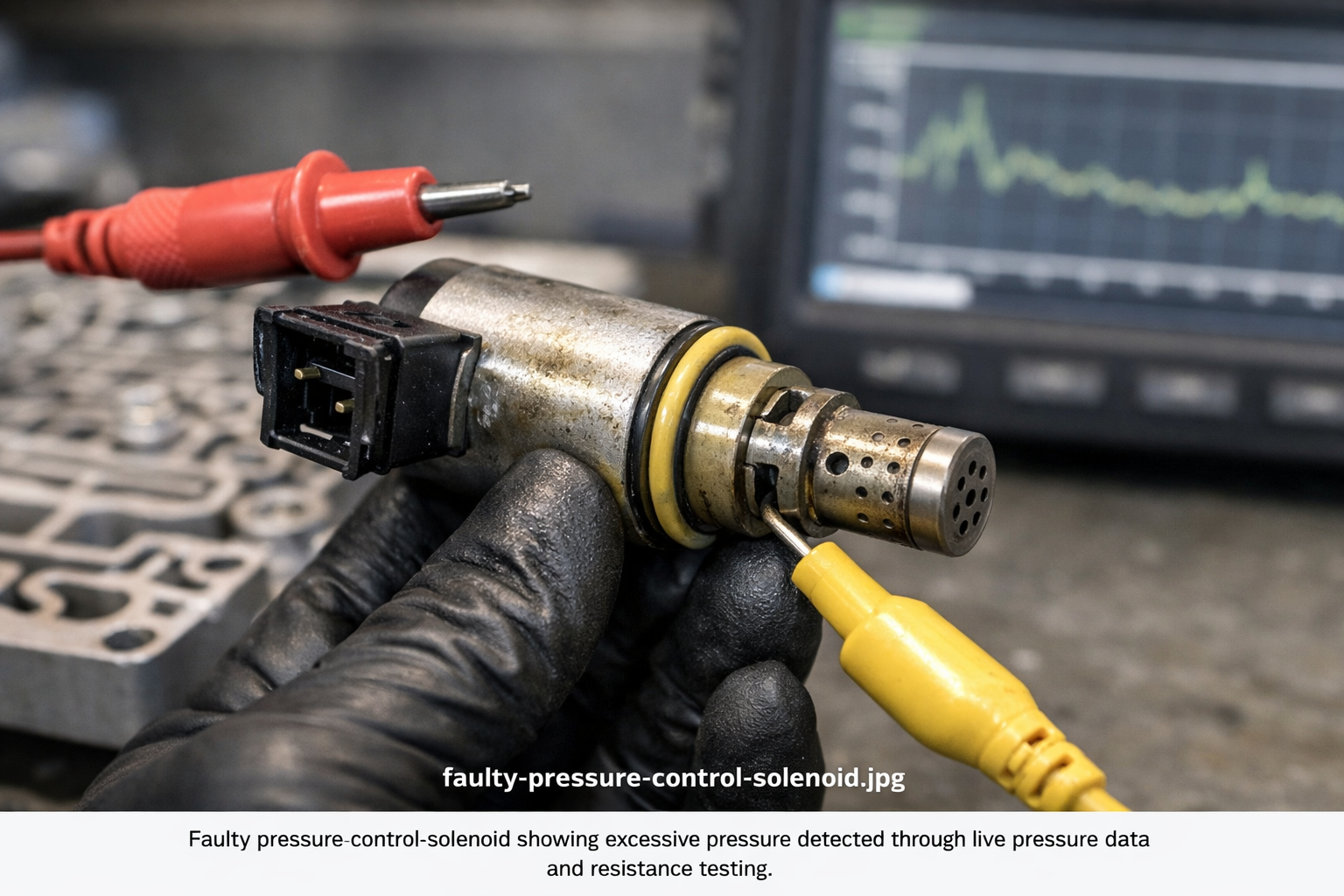
Faulty Pressure Control Solenoid
A pressure control solenoid that delivers too much hydraulic pressure too quickly causes clutch packs to engage abruptly. Verified through live pressure data and solenoid resistance testing.
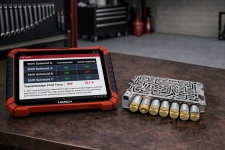
Corrupted or Reset Adaptive Shift Data
The transmission control module learns shift pressure over time. After a battery disconnect, module replacement, or fluid service, unlearned adaptive data causes harsh shifts until relearning completes. Confirmed through scan tool adaptive data review.
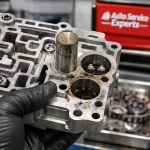
Worn or Damaged Valve Body
Worn valve body bores allow pressure to spike unevenly during gear changes. Debris contamination can cause valves to stick in high-pressure positions. Verified through hydraulic pressure testing at multiple circuits.
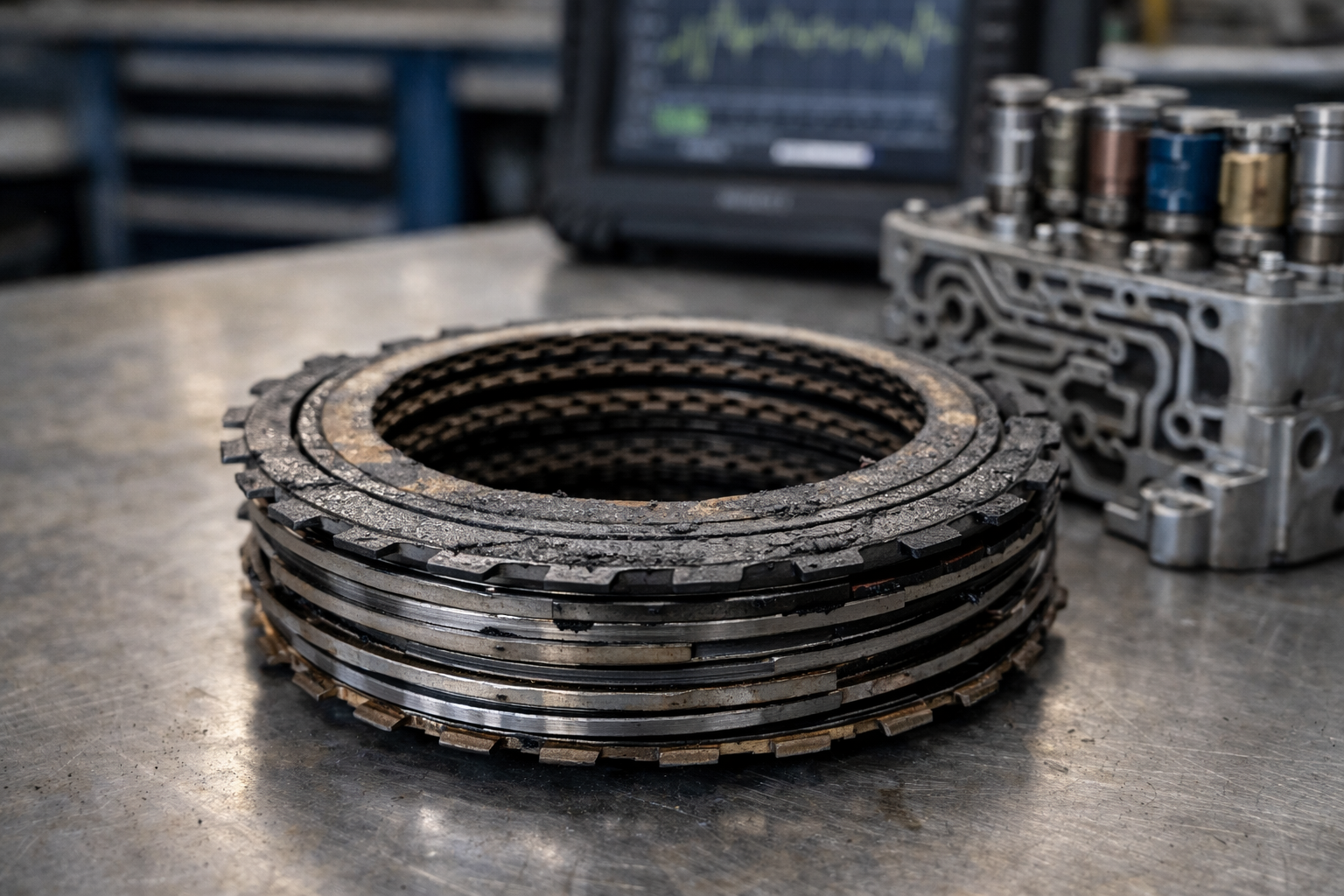
Failed or Worn Clutch Pack
Clutch packs that have lost friction material engage unevenly, creating a jolt at the moment of full engagement. Confirmed through pressure testing and internal inspection.
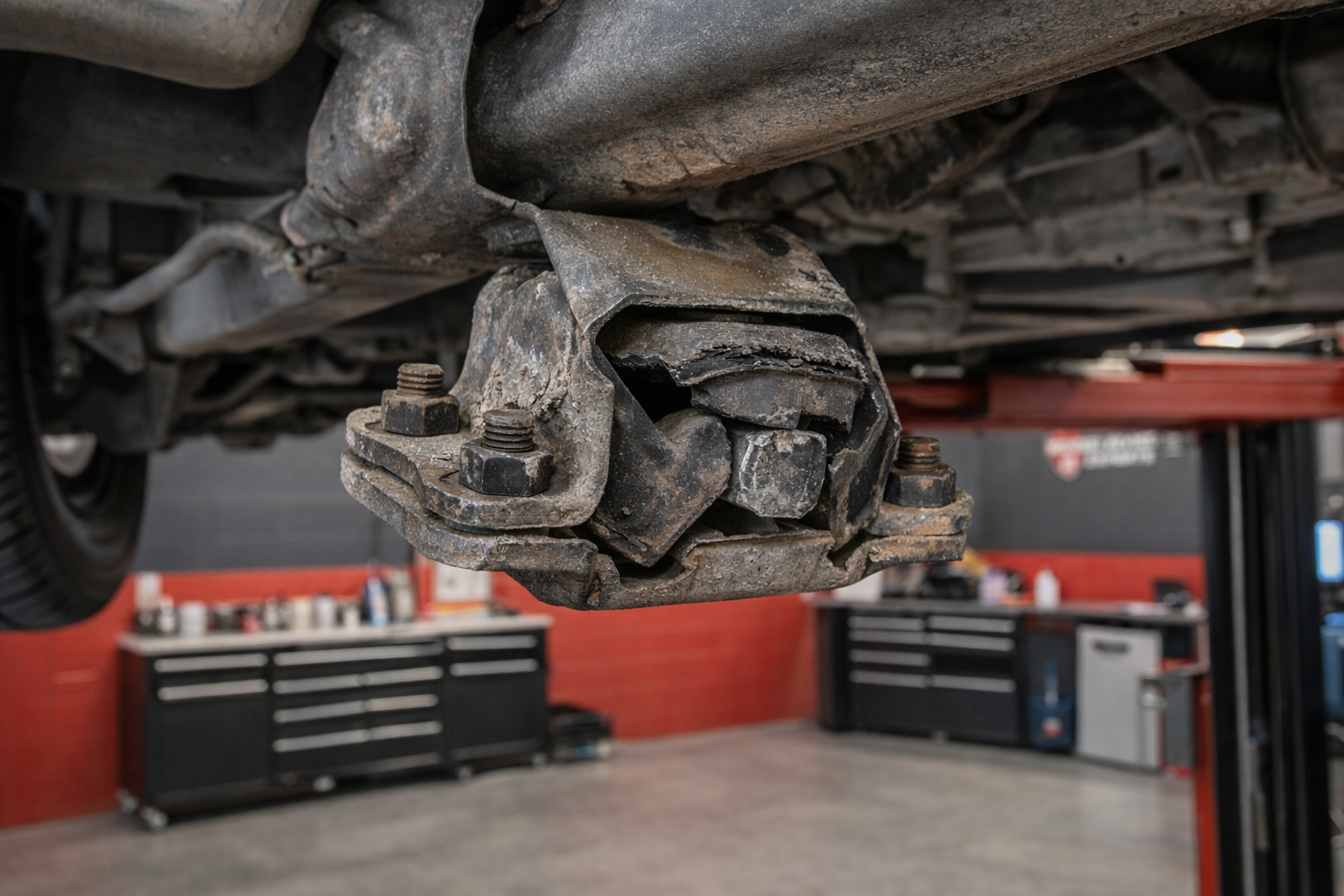
Broken or Collapsed Engine or Transmission Mount
Worn motor mounts allow the drivetrain to physically move during gear engagement, producing a bang or thud that feels like a transmission fault. Confirmed through mechanical inspection under load.

Torque Converter Clutch Malfunction
A torque converter clutch that engages or releases abruptly causes a harsh jolt at highway cruising speed. Confirmed through torque converter clutch command monitoring and stall testing.
Professional Diagnostic Process
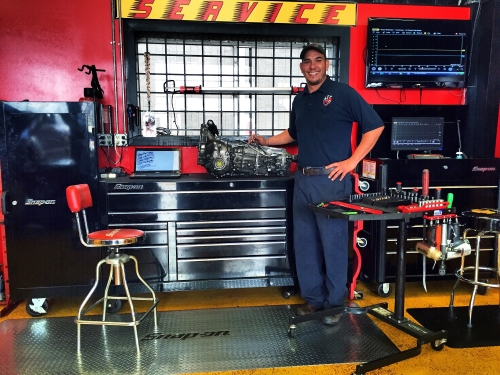
At Auto Service Experts, every transmission concern goes through our ASE CodeLogic diagnostic workflow before any repair recommendation is made.
Every step exists for a reason. We don’t guess at transmission problems, and we don’t recommend repairs until the root cause is confirmed.
Verified Diagnostic Protocol When a Vehicle’s Transmission Jerks
- Document the customer’s concern and capture a precise description of the shift event
- Pull all stored and pending transmission fault codes from the control module
- Analyze adaptive shift data and review pressure control parameters for irregularities
- Conduct a live hydraulic line pressure test at idle and under gear-change conditions
- Road test the vehicle while monitoring pressure control solenoid command versus actual response
- Inspect engine and transmission mounts under load for movement that could affect shift quality
- Test solenoid resistance values and verify circuit integrity throughout the transmission harness
- Run bidirectional functional tests on solenoids and pressure control components through the scan tool
- Complete a final road test and full transmission system scan to confirm the repair
Parts Commonly Replaced to Repair a Jerking or Banging Transmission
The following components are replaced only after verified diagnostic confirmation:
Pressure Control Solenoid
The pressure control solenoid regulates hydraulic line pressure during gear changes. A faulty solenoid that delivers excessive or uncontrolled pressure causes clutch packs to engage with a jolt or bang.
Valve Body
The valve body routes and regulates hydraulic pressure to each clutch circuit. Worn bores, stuck valves, or debris contamination causes uneven pressure delivery and harsh shift events.
Clutch Pack Assembly
Clutch packs mechanically lock gear sets during engagement. Worn or unevenly worn friction material causes inconsistent clutch apply force, producing a jolt at the moment of engagement.
Torque Converter
The torque converter clutch locks the converter to the transmission shaft at cruising speed. A failing clutch that engages or releases abruptly produces a harsh jolt during lockup events.
Engine or Transmission Mount
Mounts secure the drivetrain to the vehicle chassis. Broken or collapsed mounts allow physical movement of the drivetrain during gear engagement, producing a bang that is often mistaken for an internal transmission fault.
Transmission Fluid and Filter
Degraded fluid loses its viscosity and pressure-holding characteristics. Contaminated fluid accelerates valve body and solenoid wear and contributes to pressure irregularities during gear changes.
When the Transmission Jerks or Bangs, It Is NOT
A transmission that jerks or bangs when shifting is often mistaken for other conditions. Proper differential diagnosis separates it from:
Engine Misfire Under Load
An engine misfire during acceleration can produce a jolt or hesitation that feels like a transmission bang. Misfire codes and cylinder contribution testing differentiate this from a transmission fault.
Worn CV Axle or Driveshaft
A worn CV joint or loose driveshaft U-joint produces a clunk during engagement or direction changes. Mechanical inspection under load isolates this from internal transmission causes.
Loose Exhaust or Suspension Component
A loose exhaust hanger, heat shield, or suspension bushing can produce a bang or clunk during vehicle movement that is mistakenly attributed to the transmission.
Speed or Condition-Specific Transmission Jerking Diagnostics in San Antonio
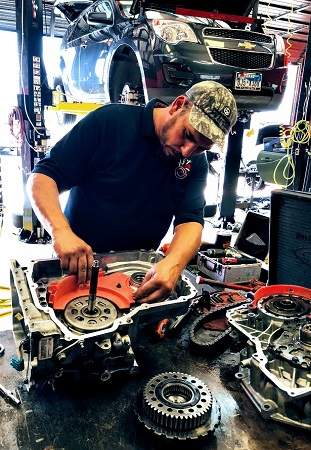
Transmission jerk or bang behavior varies by speed, temperature, and driving condition, which narrows the diagnostic focus significantly.
- Park-to-Drive or Park-to-Reverse Engagement: A harsh bang during initial engagement typically indicates worn clutch packs, excessive clutch pack clearance, or a broken drivetrain mount.
- 1-2 or 2-3 Upshifts During Light Acceleration: A jolt during specific upshifts points to a pressure control solenoid fault or valve body wear affecting that gear’s hydraulic circuit.
- Highway Cruising Speed: A jolt or shudder at steady highway speed typically indicates torque converter clutch engagement or release malfunction.
- Downshifts During Deceleration: A bang during downshifting points to adaptive shift data issues, incorrect pressure during clutch release, or valve body wear in the downshift circuit.
- Cold Start Only: Harsh shifts that smooth out after the transmission warms up often indicate fluid viscosity issues, a cold-sensitive solenoid, or adaptive data that has not yet compensated for cold conditions.
Diagnosis requires live pressure monitoring, adaptive data review, and road-load testing across multiple shift events.
Related Transmission System Resource
For a complete picture of how your transmission operates, our Transmission System Authority Hub covers full system function, recommended fluid service intervals, and how individual components work together. Since harsh shifting typically points to hydraulic pressure problems, solenoid faults, or internal mechanical wear, our diagnostic process verifies each subsystem independently before any internal transmission work is authorized.
It’s also worth noting that a transmission bang during gear engagement doesn’t always originate inside the transmission itself. Drivetrain movement caused by worn mounts or suspension components can produce the same symptom. That’s why our inspection process extends into related systems when the situation calls for it, including our suspension and steering service area. This approach ensures we’re solving the actual problem rather than replacing parts based on an incomplete diagnosis.
Safety Considerations
If a transmission jerks or bangs during shifting, this places repeated mechanical stress on internal clutch components, solenoids, and the valve body. Unlike a minor slip event, a violent shift jolt can accelerate internal wear rapidly and lead to complete gear failure within a short period of continued driving.
The condition may also affect vehicle control during lane changes or highway gear changes if the jolt is severe enough to cause unexpected acceleration or deceleration. Drivers in San Antonio experiencing a harsh bang during shifting should seek diagnosis promptly to prevent further internal damage.
Timely diagnosis at our San Antonio shop restores smooth, controlled shift performance and prevents escalating repair costs. In most cases, initial diagnostic testing can be completed the same day, so you will know the confirmed root cause before any repair decision is made.
How Repeat Transmission Jerks Are Prevented
Long-term reliability is achieved by:
- Performing transmission fluid and filter service at manufacturer-specified intervals
- Clearing and allowing adaptive shift data to fully relearn after any solenoid or valve body repair
- Verifying correct fluid type and level after every service
- Inspecting and replacing engine and transmission mounts at the first sign of wear
- Updating transmission control module software when applicable
- Performing a complete multi-range road test before vehicle return to verify smooth shift quality
Final verification testing helps prevent repeat failures.
Related Transmission Symptoms
Explore other Transmission Diagnostic Support pages:
- When harsh shift events are paired with RPM flare or a sense that the transmission isn’t holding a gear under load, the concern may involve clutch pack wear or hydraulic pressure loss. Both issues are covered in detail on our Transmission Slipping During Acceleration page.
- When a transmission jerks during normal gear changes but produces a rhythmic vibration or shudder during light acceleration or highway cruising, two separate fault conditions may be present. The shudder symptom involves torque converter clutch behavior covered in detail on our Transmission Shudder and Vibration During Acceleration page.
- When harsh shift events are accompanied by hesitation before gear engagement, the concern may extend beyond solenoid response. Our Transmission Won’t Engage, or Delays Going Into Gear page covers the full diagnostic evaluation for engagement failure and delayed apply conditions.
- Harsh shift events frequently trigger stored fault codes that activate the transmission warning indicator, and in some cases the warning light appears before the driver notices any shift quality change. Our Transmission Warning Light and Fault Code Diagnosis page covers the electronic, hydraulic, and thermal faults that trigger the indicator and what each fault category means for the transmission system.
- Pressure control solenoid faults and valve body wear that cause harsh shift events can also result in fluid being displaced or forced past seals under abnormal pressure spikes. If a fluid puddle has appeared under the vehicle alongside the jerking symptom, our Transmission Fluid Leak Source Diagnosis page outlines how leak points are identified and verified.
- When pressure control faults and valve body wear go unaddressed, the condition can progress from harsh shift events to complete loss of drive covered on our Transmission Loses Drive and Engine Revs Without Movement page, where total hydraulic pressure loss and torque converter failure are evaluated through structured diagnostic testing.
Frequently Asked Questions About Transmission Jerking Issues
Is it safe to drive if my transmission jerks or bangs when shifting?
No. Repeated harsh shift events accelerate internal wear and can lead to complete gear failure. Diagnosis should be performed promptly.
Can a transmission bang when shifting be caused by something other than the transmission?
Yes. Broken motor mounts, worn CV axles, and loose drivetrain components can produce a bang during gear engagement that feels identical to an internal transmission fault.
Will the jerking get worse over time?
In most cases, yes. The transmission control module may increase shift pressure over time to compensate, which accelerates internal clutch and valve body wear.
Can a fluid change fix a transmission that bangs when shifting?
If degraded fluid is the confirmed cause, a fluid and filter service may reduce shift harshness. However, if solenoid, valve body, or clutch wear is present, a fluid change alone will not correct the fault.
Why does my transmission only bang when it is cold?
Cold-start harsh shifts typically indicate fluid viscosity issues, a cold-sensitive solenoid, or adaptive shift data that has not yet compensated for cold operating conditions.
How much does a repair cost when the transmission jerks during shifting?
Cost depends entirely on the verified root cause. A motor mount or solenoid replacement differs significantly in cost from a valve body or clutch pack repair. Accurate diagnosis prevents unnecessary expense.
Have Transmission Diagnostic or Repair Questions?
Call 210-495-6688 now to speak with an ASE-Certified Transmission Specialist or automotive service consultant.