
Soft or Hard Brake Pedal Diagnostic | Auto Service Experts
Diagnostic Overview
This page is part of the Auto Service Experts Brake Diagnostic Support Series and is designed to help you understand why a brake pedal may travel too far toward the floor or feel unusually firm and difficult to press. When a brake pedal goes to the floor, it usually indicates a hydraulic or brake system concern that needs to be properly tested and verified. Our goal is to help drivers in San Antonio understand what may be happening with your vehicle and why accurate diagnostics are important before any brake repairs are recommended.
The way your brake pedal feels gives us immediate insight into how the entire braking system is performing. When you press the pedal, hydraulic fluid transfers force through precision components while the power booster multiplies your input to safely slow the vehicle.
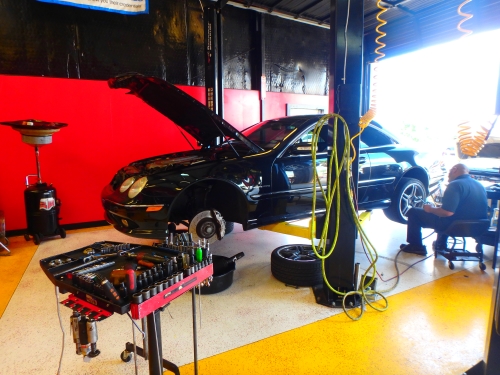
To determine the exact cause of a problem, we conduct measured hydraulic tests, verify pressure values, and isolate each system component before recommending any replacement. This ensures the repair is accurate, efficient, and based on verified mechanical data rather than assumptions.
As part of our comprehensive auto repair services in San Antonio, every brake concern is evaluated within the context of total vehicle safety and manufacturer standards.
What Drivers Typically Feel
Common observations when the pedal goes to the floor:
- Pedal travels excessively before slowing the vehicle
- Braking response feels delayed
- Vehicle may require pumping the pedal to build pressure
- Brake warning light may illuminate
- Fluid level may be low in the reservoir
Common observations when the pedal is very hard to press:
- Pedal feels stiff with minimal travel
- Increased effort required to stop
- Vehicle does not slow proportionally to pedal effort
- Engine vacuum changes may alter pedal feel
- No noticeable fluid loss
Why Proper Diagnostics Matter
A soft pedal and a hard brake pedal are opposite conditions with different root causes. Replacing pads or rotors does not correct hydraulic pressure loss or booster failure. Accurate testing isolates whether the concern is hydraulic, mechanical, or vacuum-related.
Verified diagnosis prevents unnecessary component replacement and ensures the repair restores proper braking force transfer. When additional system analysis is required, our advanced vehicle diagnostic testing process allows us to isolate hydraulic, ABS, or electronic control concerns with precision.
Common Verified Causes of Hard or Soft Brake Pedal
Each condition below is confirmed using manufacturer service information, hydraulic pressure specifications, and controlled isolation testing procedures.
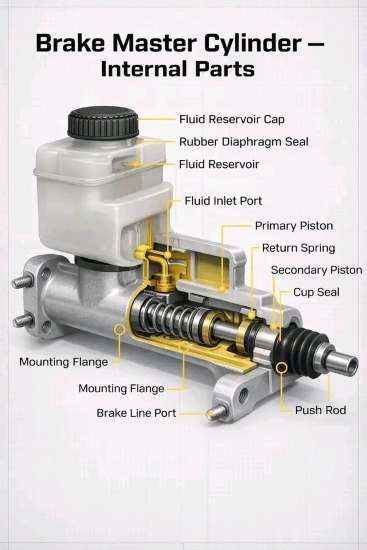
Internal Master Cylinder Bypass
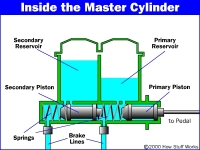
When internal seals fail, hydraulic pressure leaks past the piston inside the master cylinder. This causes the pedal to slowly sink toward the floor under steady pressure. Verification includes isolation testing and hydraulic pressure measurement.
Brake Fluid Leak in Hydraulic System
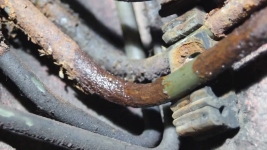
External leaks at calipers, wheel cylinders, brake hoses, or steel lines reduce system pressure. Visual inspection, fluid level verification, and pressure testing confirm the leak source.
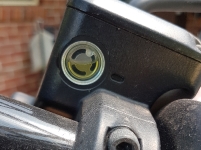
Air Contamination in Brake Lines
Air compresses under pressure, unlike brake fluid. Entrained air results in excessive pedal travel. Proper bleeding procedures using manufacturer-specified sequences confirm hydraulic integrity.
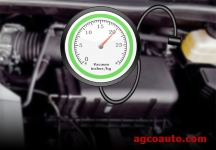
Brake Booster Failure or Vacuum Loss
A failed booster or insufficient engine vacuum results in a hard pedal. Testing includes vacuum supply measurement, inspection of one-way check valves, and verification of booster function.

Restricted Brake Line or Collapsed Hose
Internal hose deterioration can restrict hydraulic return flow. This may alter pedal feel and braking response. Line integrity is confirmed through pressure differential testing.
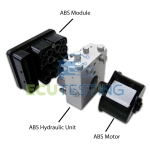
ABS Hydraulic Control Unit Malfunction
Internal valve failure within the ABS module can affect pressure distribution within the module. Scan tool data analysis and bi-directional testing confirm proper hydraulic modulation.
Professional Soft or Hard Brake Pedal Diagnostic Process
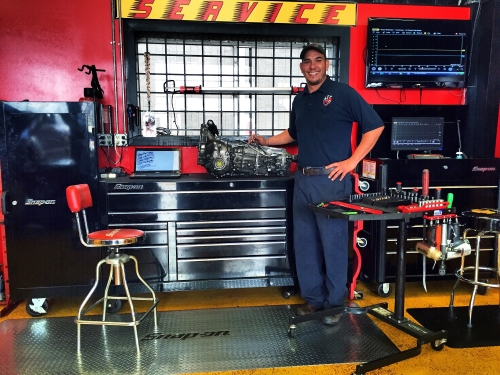
When a vehicle in San Antonio has a hard brake pedal, soft brake pedal, or a brake pedal that goes to the floor in San Antonio, our technicians follow a structured diagnostic process to accurately identify the cause. Each step is designed to verify the concern, test brake system components, and confirm the condition through proper mechanical and electronic inspection before any repairs are recommended at Auto Service Experts.
- Verify customer concern under controlled conditions
- Inspect brake fluid level and condition
- Perform hydraulic pressure hold test
- Inspect for external leaks at all wheels and lines
- Test the vacuum supply and booster operation
- Scan the ABS system for stored or pending faults
- Perform manufacturer-specified isolation procedures
- Confirm repair with final pressure verification and road test
Every step follows manufacturer procedures and documented measurement standards.
Parts Commonly Replaced to Repair Soft or Hard Brake Pedal Issues
If our inspection confirms a problem with the brake system, certain components may need repair or replacement. A soft brake pedal, a hard brake pedal, or a brake pedal that goes to the floor can each point to different causes within the braking system. Our technicians test and verify each part carefully so the correct component is repaired for the right mechanical reason, rather than replacing parts based on guesswork.
Master Cylinder Assemblies
The master cylinder converts pedal movement into hydraulic pressure. Internal seal wear or bore damage can allow pressure bypass, resulting in a sinking pedal.
Brake Boosters and Vacuum Components
The brake booster multiplies pedal force using engine vacuum or an electric assist motor. Loss of vacuum supply or failure of the internal diaphragm results in a hard pedal.
Brake Calipers or Wheel Cylinders
These components apply hydraulic pressure to the brake pads or shoes. Seal leakage or internal corrosion can reduce system pressure and pedal consistency.
Flexible Brake Hoses and Steel Lines
Brake lines carry pressurized fluid to each wheel. External leaks, internal hose collapse, or corrosion can affect hydraulic integrity and pedal feel.
ABS Hydraulic Control Modules
The ABS unit regulates brake pressure during traction events. Internal valve malfunction can alter pressure distribution and affect pedal response.
Brake Fluid and Sealing Components
Brake fluid transfers force throughout the system. Contaminated fluid or deteriorated seals can introduce air, reduce pressure stability, and compromise braking performance.
Component replacement is performed only after confirming failure through testing.
What a Hard or Soft Brake Pedal Is NOT
When diagnosing brake concerns such as a hard brake pedal, a soft brake pedal, or a brake pedal that goes to the floor in San Antonio, it is just as important to understand what the symptom is not as it is to identify what it is. This helps prevent unnecessary repairs and ensures the correct part of the braking system is carefully inspected. At Auto Service Experts in San Antonio, our goal is to help you clearly understand what the symptom may indicate so the proper components are evaluated and the correct brake repair can be performed safely and accurately.
Worn Brake Pads Alone
Worn brake pads can reduce stopping performance but do not cause a hard or soft brake pedal or a pedal that sinks to the floor. Worn pads are more likely to cause the vehicle to make a squeaking noise when braking, which is a different brake system symptom.
Warped Brake Rotors
Rotor thickness variation causes vibration during braking, not a hard or soft brake pedal. This condition typically causes the vehicle to shake when braking, which is a different brake system symptom.
Normal Cold Morning Brake Feel
Temperature changes may slightly affect pedal response, but they do not cause persistent hydraulic failure or severe stiffness.
Speed or Condition-Specific Brake Pedal Diagnostics in San Antonio
Vehicle speed and driving conditions can affect how a hard brake pedal, soft brake pedal, or brake pedal going to the floor behaves. Our technicians duplicate the symptom under controlled conditions to help isolate the cause, then verify the issue through proper brake system inspection before recommending repairs.
Low-speed pedal drop:
Often indicates internal hydraulic bypass or air in the system. Verified through stationary pressure hold testing
High-effort pedal at all speeds:
Indicates a power assist or vacuum issue. Confirmed through booster isolation testing
Pedal improves after pumping:
Suggests air in the system or internal seal wear. Confirmed through hydraulic bleed evaluation and pressure stabilization testing
Pedal unchanged with engine off versus running:
Indicates possible booster malfunction. Verified through vacuum supply measurement and booster function testing
Related Brake System Resource
This page connects to our main Brake System Repair service page, where we explain how a complete brake system inspection and professional brake repairs are performed at our shop in San Antonio. While this page focuses on hard brake pedals, soft brake pedals, or a brake pedal going to the floor, any confirmed issues are repaired using the same thorough inspection and repair process used for our full brake repair services in San Antonio.
If you would like to see how our technicians evaluate the entire braking system and determine the correct repair, visit our main brake service page.
Safety Considerations
Brake pedal abnormalities directly affect the control of stopping force. If pedal travel increases or the effort required significantly changes, the system should be inspected promptly to restore proper hydraulic integrity and power-assist performance.
Professional testing ensures the system operates within manufacturer specifications and restores consistent braking performance for drivers throughout San Antonio and surrounding North Central communities.
If the brake pedal goes to the floor or feels hard, stopping distance and braking modulation may be reduced. Controlled diagnostic inspection should be performed before the vehicle is returned to regular service.
How Repeat Failures Are Prevented
Brake pedal problems often return when the root cause is not fully corrected. Proper repair requires identifying the exact cause of a hard brake pedal, soft brake pedal, or brake pedal going to the floor before replacing parts.
- System flushed using manufacturer-approved brake fluid
- All fittings torqued to specification
- Vacuum supply lines inspected and secured
- Hardware inspected for corrosion or deterioration
- ABS functions verified after repair
- Final road test confirms pedal consistency
Measured verification prevents recurrence and ensures long-term reliability.
Related Brake Symptoms
A brake pedal that goes to the floor or feels unusually hard is one specific hydraulic or assist-related symptom. If your vehicle is experiencing a different brake concern, the guides below explain how those conditions are tested, measured, and verified.
- Brake Pedal Feels Spongy or Soft – A consistently soft pedal often indicates air contamination or hydraulic seal wear requiring pressure testing.
- Brake Fluid Leak Under Vehicle – Visible fluid loss typically points to external hydraulic failure that reduces system pressure.
- Hard Brake Pedal When Engine Is Running – A stiff pedal with the engine on usually indicates a vacuum or booster assist malfunction.
- Brake Warning Light On Dashboard – Warning indicators require system-level inspection and electronic fault verification.
- ABS Light Diagnostic (Brakes Still Work) – ABS faults may not eliminate normal braking but require electronic diagnosis and hydraulic system evaluation.
Frequently Asked Questions About Hard or Soft Brake Pedal Issues
Our brake diagnostic and repair procedures are performed on domestic and imported cars, SUVs, and light trucks, following manufacturer-engineered testing protocols and verified measurement standards to ensure precise, platform-specific accuracy.
Why does my brake pedal slowly sink when stopped?
This commonly indicates a bypass of the internal master cylinder seal or hydraulic leakage. Pressure testing confirms the root cause.
Can air in the brake lines cause a soft pedal?
Yes. Air compresses under pressure, increasing pedal travel. Proper bleeding restores hydraulic consistency.
Why is my brake pedal extremely hard?
A hard pedal typically indicates brake booster failure or insufficient engine vacuum.
Is it safe to keep driving with a soft pedal?
Brake pedal travel changes should be inspected promptly to restore proper hydraulic control.
Does the ABS module affect pedal feel?
Yes. Internal valve issues within the hydraulic control unit can alter pressure distribution.
Will replacing brake pads fix a pedal that goes to the floor?
No. Pad replacement does not correct hydraulic pressure loss or master cylinder seal failure.
Have Automotive Questions?
Call 210-495-6688 now to speak with an ASE-Certified brake system specialist or automotive service consultant.