
Squeaking Noise When Braking | Auto Service Experts
Diagnostic Overview
This page is part of the Auto Service Experts Brake Diagnostic Support Series. Our goal is to help you understand why brake squeaking noise happens, how technicians verify the root cause through proper inspection and measurement, and how the correct repair procedures prevent the noise from returning. If you are experiencing brake noise and need professional help, you can also visit our brake repair service in San Antonio page to see how our ASE-certified master technicians diagnose and repair brake system problems.
Brake squeaking is a sound created by friction. By itself, the noise is not a diagnosis. A professional inspection is needed to determine whether the sound is coming from normal pad wear indicators, brake hardware vibration, rotor surface conditions, pad material characteristics, or component alignment issues. This same diagnostic approach applies to domestic vehicles, imported models, hybrid vehicles, and fully electric vehicles that combine regenerative braking with traditional friction brakes.
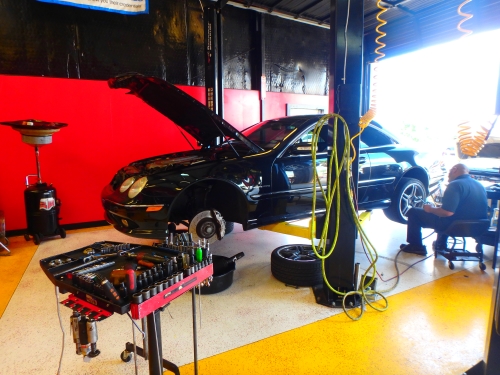
At Auto Service Experts, we follow the same structured diagnostic process used during every brake repair inspection in our San Antonio shop. When our technicians identify the exact cause of the squeaking, we take the time to explain what we found and why the condition is occurring. Once the root cause is verified, we perform the appropriate repair procedures to restore quiet, smooth braking and long-term reliability.
This diagnostic support page is designed to help drivers move from simply hearing a brake noise to understanding what is actually happening inside the brake system and how the issue can be corrected properly.
What Drivers Typically Hear
Drivers commonly report:
- High-pitched squeal during light brake application
- Noise at low speeds, especially in parking lots
- Squeak during the first stop of the morning
- Intermittent noise that disappears under heavy braking
- Noise without vibration or steering pull
These observations guide inspection priority but do not replace mechanical verification.
Why Accurate Brake Noise Diagnosis Matters
Brake squeak is frequently misdiagnosed as “just needing pads.” In many cases, pads are replaced without addressing hardware fitment, rotor finish, or caliper slide condition. This results in repeated noise, even though new components were installed.
A diagnostic-first process includes measuring pad thickness, inspecting the rotor surface, assessing hardware condition, and verifying proper pad-to-caliper contact points. Noise is resolved by correcting the mechanical source of vibration, not by applying temporary coatings or shortcuts.
Common Verified Causes of Squeaking Noises During Braking
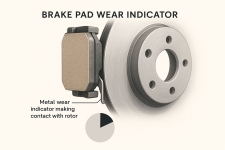
Brake Pads Worn to Wear Indicator
Most brake pads include a mechanical wear indicator that contacts the rotor at a specific thickness. This produces a consistent, high-frequency squeal during light braking. Measurement confirms the remaining friction material thickness before recommending replacement.
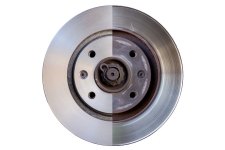
Glazed Brake Pads or Rotors
Excessive heat or improper break-in can create a hardened, glossy friction surface. Glazing reduces friction consistency and creates harmonic vibration between the pad and the rotor. Rotor finish and pad surface condition must be evaluated together.
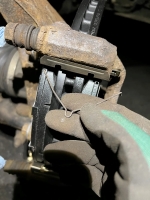
Missing or Improperly Installed Anti-Rattle Hardware
Brake hardware stabilizes the pad within the caliper bracket. Missing, bent, or improperly seated hardware allows micro-movement during application, producing vibration noise. Hardware condition is verified visually and by fitment inspection.
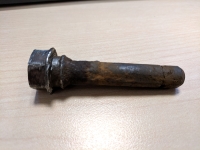
Caliper Slide Pin Restriction or Corrosion
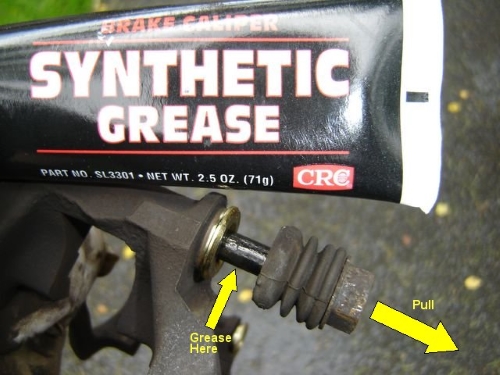
Caliper slide pins must move freely to maintain even pad pressure. Restricted movement causes uneven contact pressure and vibration. Slide function is tested and serviced according to the manufacturer’s procedure.
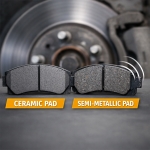
Incorrect Pad Material for Application
Different pad compounds produce different acoustic characteristics. Installing a pad compound that is not suited to the vehicle’s design or driving profile can result in a persistent squeal despite proper installation.
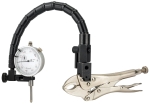
Rotor Surface Finish or Thickness Variation
Improper rotor resurfacing or excessive thickness variation can generate harmonic vibration under light braking. Rotor runout and surface condition are measured with precision tools to verify compliance with specifications.
Professional Brake Squeaking Noise Diagnostic Process
At Auto Service Experts, our diagnostic workflow follows a structured, verification-based sequence. Each step builds on the previous one to isolate the exact mechanical source of the brake squeak before any component replacement is authorized.
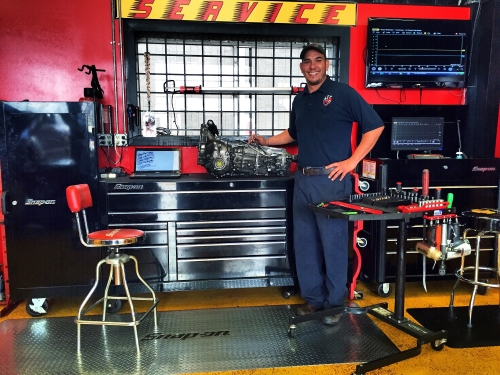
This step-by-step process confirms mechanical integrity and eliminates vibration-related variables in a logical order, rather than replacing parts based solely on symptoms.
- Controlled road test to duplicate and characterize the noise condition
- Brake pad thickness measurement and wear pattern evaluation
- Rotor thickness measurement and lateral runout testing with a dial indicator
- Surface finish inspection for glazing, heat spotting, or improper machining
- Hardware integrity inspection, including clip tension and bracket fitment
- Caliper slide pin removal, inspection, and functional movement verification
- Hub mating surface inspection for corrosion or debris affecting rotor alignment
- Manufacturer-spec reassembly with proper torque sequencing and lubrication at approved contact points
- Post-service road verification under the same conditions that produced the original noise
Parts Commonly Replaced to Repair Squeaking Brake Noise Issues
When inspection confirms a component concern, the following parts may require replacement or service. Each is addressed for a specific mechanical reason, not by assumption.
Brake pads
Replaced when the friction material reaches the minimum specification, when the wear indicator contacts the rotor, or when glazing prevents proper friction transfer.
Brake rotors
Replaced when the thickness falls below the specification, when excessive runout or thickness variation is measured, or when the surface finish cannot support proper pad bedding.
Anti-rattle clips and hardware kits
Replaced when tension loss, distortion, or corrosion allows pad movement that creates vibration and noise.
Caliper slide pins and boots
Replaced when binding, corrosion, or damaged protective boots restrict caliper movement and cause uneven pad pressure.
Brake calipers when confirmed restricted
Replaced when internal piston restriction or structural corrosion prevents proper hydraulic operation and balanced pad contact.
Rotor hub mating surface cleaning or correction
Performed when corrosion or debris between the hub and rotor causes lateral runout that contributes to vibration or noise.
Parts are replaced only after measurement confirms the need and the correction addresses the verified source of brake squeak.
What Brake Squeaking noise Is NOT
When diagnosing brake concerns, it is just as important to understand what a symptom is not as it is to identify what it is. This step helps prevent unnecessary repairs and ensures the correct system is inspected. Our goal is to help you clearly understand what the symptom means so the right components are evaluated and the correct repair is performed.
Steering Wheel Vibration
Vibration through the steering wheel typically indicates rotor runout or suspension influence rather than a simple squeak.
Grinding Noise
A grinding sound usually indicates that the friction material is fully worn through to the backing plate contact.
ABS Activation Noise
ABS operation produces a pulsing sensation and mechanical sound distinct from high-frequency squeal.
Speed-Specific or Condition-Specific brake Noise Diagnostics
Changes in vehicle speed affect vibration frequency and contact pressure, which is why duplicating the noise under controlled conditions is part of proper diagnosis. Each condition narrows the inspection focus, but it must be verified mechanically.
Low Speed Brake Squeak
Low-speed squeak often indicates pad vibration or hardware fitment issues because light brake pressure allows small movements between components, creating high-frequency noise.
Cold Start Only Noise
Cold-start-only noise may indicate light surface corrosion on rotors that clears after initial stops as normal friction removes the surface layer.
High Humidity Conditions
High-humidity conditions can temporarily amplify normal friction noise because a moisture film forms between the pad and rotor surfaces.
Light Pedal Pressure Squeaking
Noise under light pedal pressure but not heavy braking typically indicates harmonic vibration rather than structural brake failure, since a heavier clamping force stabilizes the pad against the rotor.
Brake System Related Resources
This page connects directly to our main Brake System Repair service page, where we explain how a complete brake system inspection is performed and how professional brake repairs are carried out our shop in San Antonio. While this page focuses specifically on brake squeaking, any confirmed findings are corrected using the same structured inspection and repair process used for full Brake Repair in San Antonio services.
If you would like to see how our technicians evaluate the entire braking system and determine the correct repair, visit our main brake service page.
If additional testing is required to verify the root cause of a problem, our technicians may also perform advanced vehicle diagnostics.
In some cases, steering or suspension components can influence braking behavior. When that possibility exists, those systems are also inspected to ensure the correct cause is identified.
Safety Considerations
Brake squeaking alone does not automatically indicate unsafe braking. However, if squeak is accompanied by reduced stopping performance, grinding, pedal pulsation, or warning lights, a professional inspection is required to confirm safe operation.
Maintaining verified pad thickness and rotor condition ensures consistent braking performance. At Auto Service Experts, every brake inspection follows manufacturer specifications to ensure reliable results. If you are hearing brake squeaking in San Antonio, a verified inspection helps ensure the correct repair the first time.
How Repeat Failures Are Prevented
Repeat brake squeak usually occurs when vibration sources are not fully corrected. Long-term prevention requires measured correction of each contributing factor.
- Verified pad compound compatibility with vehicle design and driving profile
- Complete hardware replacement when spring tension or fitment integrity is compromised
- Proper lubrication of manufacturer-designated contact points only
- Rotor thickness and runout verification before pad installation
- Hub surface cleaning to ensure rotor alignment and eliminate induced runout
- Caliper slide inspection and correction to maintain balanced clamping force
- Proper torque sequencing on wheel installation to prevent rotor distortion
Long-term noise prevention is achieved through mechanical stabilization of the brake assembly, not surface treatments or temporary noise suppressants.
Related Brake Symptoms
Brake squeaking is one specific symptom. If your vehicle is experiencing a different brake concern, the guides below explain how those conditions are evaluated and verified.
- Vehicle shakes during braking – Vibration during braking is typically related to rotor runout or suspension influence.
- Brake pedal goes to the floor – A low pedal often indicates hydraulic pressure loss or internal component concerns.
- Brake warning light on dashboard – Warning indicators require system-level inspection and fault verification.
- ABS light on but brakes still work – ABS faults may not affect normal stopping, but require electronic diagnosis.
- Safe brake pad thickness guidelines – Pad material must meet the manufacturer’s minimum specifications.
- Grinding noise when braking – Grinding usually indicates friction material worn beyond service limits.
Frequently Asked Questions About Brake Noises
Why do my brakes squeak but still stop fine?
Squeak is often caused by vibration between the pad and the rotor. Stopping performance can remain normal while acoustic vibration occurs. This applies across all domestic cars and trucks as well as imported Asian and European vehicles.
Do new brake pads need time to break in?
Yes. Proper bedding ensures even friction transfer and reduces the risk of noise. This procedure is performed according to the manufacturer’s specifications, regardless of whether the vehicle is domestic, import, SUV, light-duty truck, hybrid, or electric.
Can humidity cause brake squeak?
Moisture can temporarily amplify friction noise, especially during the first stop of the day. This condition is common on both domestic and imported vehicles due to normal rotor surface exposure.
Are Squeaking brakes dangerous?
Not always. Diagnosis determines whether the noise is due to wear indicators or mechanical issues. Our inspection process applies to all makes and models, including domestic trucks, Asian imports, and European vehicles.
Should rotors always be replaced with pads?
Replacement depends on measured thickness, surface condition, and manufacturer specifications. Specifications vary between domestic manufacturers and import brands, so measurement is required before recommending a replacement.
Can cheap brake pads cause squeaking?
Pad compound quality and compatibility significantly influence acoustic performance. Using manufacturer-appropriate friction materials reduces vibration-related noise in domestic vehicles and in Asian and European imports, including hybrid brake systems.
Have Automotive Questions?
Call 210-495-6688 now to speak with an ASE-Certified brake system specialist or automotive service consultant.