
A vehicle’s air conditioning system relies on refrigerant to move heat out of the cabin and keep interior temperatures comfortable during San Antonio’s long warm seasons. When refrigerant levels, pressure, or flow are not correct, cooling performance drops and system strain increases. At Auto Service Experts, our ASE-certified technicians diagnose these refrigerant issues every day during air conditioning system inspections and repair for local drivers. Understanding how refrigerant works helps drivers recognize problems early and make informed service decisions.
Modern vehicles use specific refrigerants designed to provide consistent cooling while meeting environmental standards. These systems are engineered to operate within precise pressure ranges, which means even small issues can affect performance. Knowing the basics of refrigerant behavior and common warning signs supports reliable AC operation and helps avoid repeated service visits. During professional AC inspections, technicians measure refrigerant pressure and airflow to confirm that the system is operating within manufacturer specifications.
Car AC refrigerant explained is a good way to understand how pressure and flow affect cooling, what symptoms signal refrigerant issues, and why professional diagnosis matters for long-term comfort in San Antonio.
How Refrigerants Work inside a Car Air Conditioning System
Refrigerant is a chemical compound designed to absorb heat and release it elsewhere. In a car air conditioning system, refrigerant cycles through a closed loop that changes pressure and temperature to move heat out of the cabin.
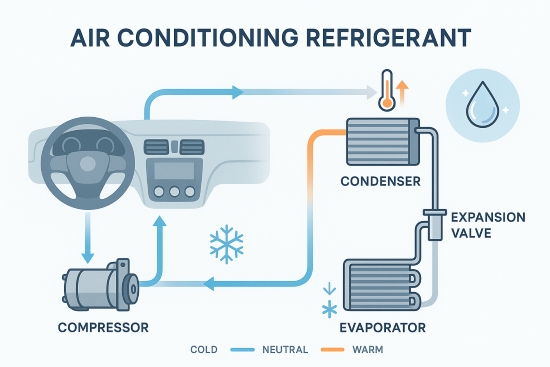
The process begins in the evaporator, located inside the dashboard. Low-pressure refrigerant enters the evaporator as a cool liquid and absorbs heat from the cabin air. As it absorbs heat, the refrigerant changes into a vapor.
This vapor travels to the compressor, where pressure increases. Compressing the refrigerant raises its temperature and prepares it to release heat. From there, the high-pressure refrigerant moves to the condenser at the front of the vehicle. Airflow across the condenser removes heat, causing the refrigerant to change back into a liquid.
The expansion valve then controls refrigerant flow back into the evaporator, reducing pressure and temperature. This cycle repeats continuously while the AC is operating. Each stage depends on proper refrigerant pressure and flow to maintain steady cooling.
For San Antonio drivers, this process must work efficiently under high heat and frequent use. Even small disruptions in refrigerant behavior can reduce cooling and increase system wear.
Liquid Refrigerant, Pressure, and Cooling Performance
Cooling performance depends on how refrigerant changes between liquid and vapor states under specific pressures. Refrigerant pressure must remain within manufacturer specifications for the system to function correctly.
When refrigerant pressure is too low, the evaporator cannot absorb enough heat. This often results in air that feels cool at first but warms quickly. Low pressure can also cause moisture buildup and frequent cycling of the compressor clutch.
High refrigerant pressure can be just as problematic. Excess pressure may result from overcharging, blockages, or airflow issues at the condenser. Symptoms may include noisy operation, reduced cooling, or system shutdowns designed to protect components.
Your car’s AC refrigerant is designed to flow at the correct rate through the expansion valve. Too much flow can flood the evaporator, while too little limits cooling capacity. Maintaining balance between pressure and flow is necessary for reliable AC operation.
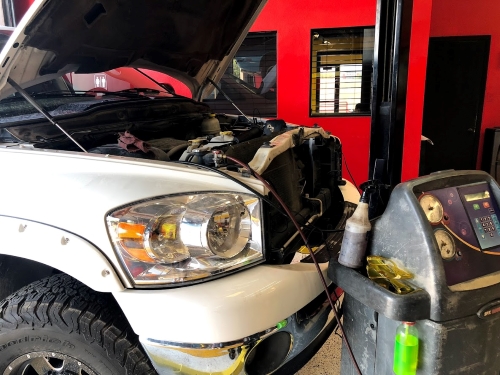
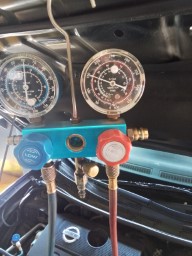
Professional diagnosis focuses on measuring refrigerant pressure at multiple points in the system. At Auto Service Experts, technicians use manifold gauges, temperature readings, and electronic leak detection to identify whether cooling issues stem from leaks, restrictions, or control problems rather than guessing based on symptoms alone.
Common Refrigerant Problems and Warning Signs
Refrigerant issues often appear gradually, giving drivers time to notice changes before cooling stops completely. Recognizing these signs helps prevent system damage and discomfort during peak summer temperatures.
One of the most common symptoms is reduced cooling. Air may feel less cold than usual or take longer to cool the cabin. Cooling may improve at highway speeds but weaken in traffic or at idle.
Frequent cycling of the compressor clutch can also signal refrigerant problems. This cycling occurs when pressure falls outside the normal range, causing the system to shut on and off repeatedly.
Unusual noises during AC operation may point to pressure imbalances or internal wear caused by refrigerant loss. Hissing sounds can indicate leaks, while rattling may result from component strain.
Odors from the vents or foggy windows that do not clear properly may also relate to refrigerant performance issues. While these symptoms can have multiple causes, refrigerant pressure testing helps narrow the diagnosis.
In San Antonio, where the use of air conditioning systems is constant during warm months, addressing these signs early helps avoid larger repairs and system downtime.
Refrigerant Types Used in Modern Vehicles
Most modern vehicles use either R-134a or R-1234yf refrigerant. Each type has specific service requirements and environmental characteristics.
R-134a has been widely used for many years and remains common in older vehicles. It provides reliable cooling but has a higher environmental impact compared to newer options.
R-1234yf is used in many newer models and is designed to reduce environmental impact. While effective, it requires specialized equipment and training to service properly due to different pressure characteristics and handling requirements.
Mixing refrigerant types is not acceptable and can damage system components. Proper identification of refrigerant type is a standard step in professional AC service. Our technicians are EPA Section 609 certified to handle automotive refrigerants and follow manufacturer procedures when servicing R-134a and R-1234yf systems.
Because refrigerants operate under high pressure and require specialized recovery equipment, technicians must follow strict automotive ac safety procedures when diagnosing or servicing automotive air conditioning systems.
Using the correct refrigerant ensures proper pressure control, efficient cooling, and system reliability. It also supports compliance with environmental regulations that apply to automotive service.
Drivers benefit from working with a repair shop that verifies refrigerant type before service rather than relying on assumptions.
Why Professional Refrigerant Diagnosis Matters in San Antonio
Modern car AC systems functioning requires precision. Adding refrigerant without testing pressure and system condition is a shortcut that will cost you much more in the long run. It usurally leads to repeated issues and unnecessary wear.
Our diagnostic experts measure refrigerant pressure, check system temperatures, and inspect for leaks or restrictions. This approach identifies the cause of cooling problems rather than masking symptoms.
Accurate diagnosis protects the compressor and other ac components from operating under improper conditions. It also helps ensure that repairs restore consistent cooling that you can count on rather than providing short-term relief. To understand the role of each part in this process, review how auto AC components operate in detail.
For San Antonio drivers, dependable AC performance supports daily comfort during long commutes and heavy traffic. Scheduling professional service when cooling performance changes helps maintain reliability throughout the year.
At Auto Service Experts, our technicians diagnose refrigerant issues using pressure testing, leak detection, and system performance measurements to restore reliable cooling.
If your vehicle’s cooling system is not keeping up with local heat, a diagnostic inspection can determine whether refrigerant issues are involved and what steps are needed to restore proper operation.