
How to detect Air-Conditioning Leaks
A vehicle’s air-conditioning system plays a major role in daily comfort, especially during San Antonio’s long, hot seasons. When cooling performance drops, the cause is often a refrigerant leak somewhere within the AC system. Auto AC leak detection basics focus on accurate leak location. This ensures that repairs address the actual source of the problem instead of masking symptoms.
Refrigerant does not wear out or disappear on its own. If the system pressure drops, there is a reason. Finding that reason early helps avoid repeated service visits, uneven cooling, and strain on AC components. Understanding how leak detection works gives vehicle owners clearer expectations and helps them make informed service decisions.
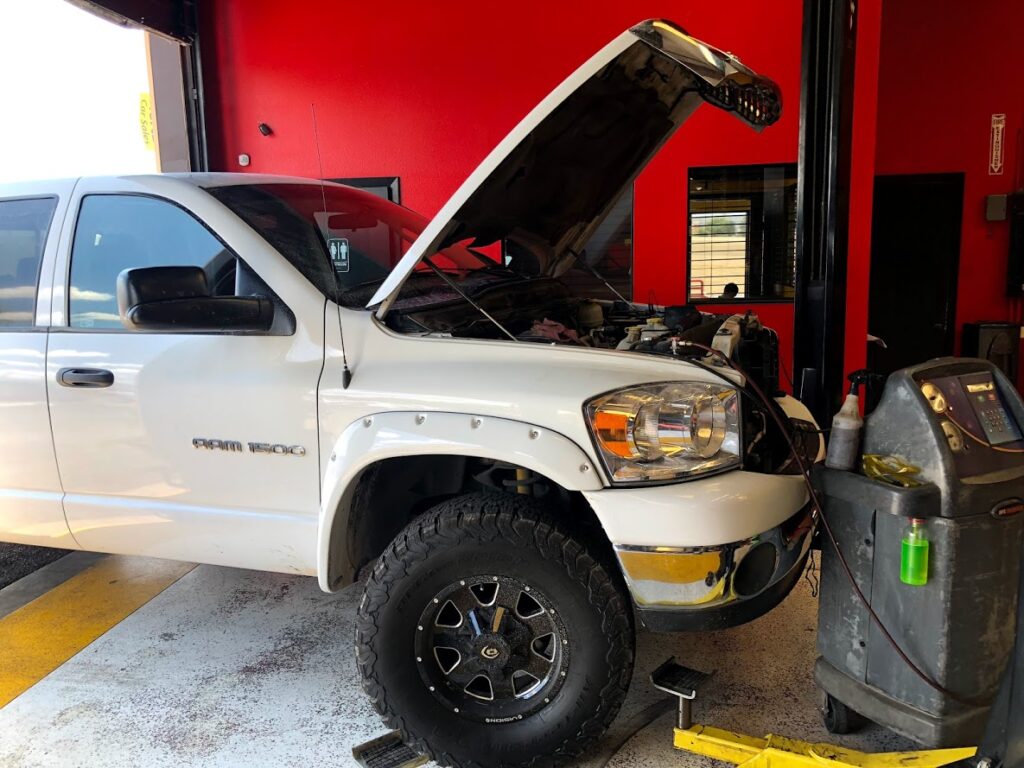
At Auto Service Experts in San Antonio, leak detection begins with system-wide diagnostics rather than assumptions. Technicians evaluate refrigerant pressure, airflow performance, and component operation to ensure leak detection focuses on root-cause verification rather than temporary fixes.
How Auto AC Leak Detection Works and Why It Matters
Auto AC leak detection is the process of locating where refrigerant escapes from a vehicle’s air-conditioning system. Even a small leak can reduce cooling ability and place added load on the compressor. Over time, this can lead to larger repairs if the issue is not addressed correctly.
Leaks often occur at connection points, hoses, seals, or components exposed to vibration and heat. Because refrigerant is a gas under pressure, leaks are rarely obvious without proper inspection. Simply adding refrigerant without finding the leak does not solve the problem and often leads to repeat loss.
Using professional detection methods, our ASE-certified a/c technicians are able to precisely identify leaks. This approach supports targeted repairs that restore system pressure and cooling output. For drivers in San Antonio, where AC use is frequent, proper detection helps maintain consistent cabin comfort and system reliability.
Leak detection also supports environmental responsibility by preventing refrigerant from escaping into the atmosphere. Locating and repairing leaks keeps the system sealed and operating as designed.
Signs Your Car’s Air-Conditioning System May Have a Leak
Air-conditioning systems often show warning signs before the cooling fails altogether. You can prevent further damage and reduces downtime by recognizing the signs early on.
One of the most common symptoms is air that no longer blows cold. Cooling may feel weak, uneven, or fluctuate during driving. In some cases, the system may cool initially, then warm up as pressure drops.
Unusual noises when the AC is running, such as clicking or hissing sounds are also common warning signs. When refrigerant escapes or when the compressor struggles to maintain pressure these noises are the result. Foggy windows that do not clear properly can also indicate AC performance issues.
Odors from the vents may signal moisture buildup or system contamination. While not every odor points to a leak, reduced refrigerant can affect how the system manages humidity.
Visible residue under the hood or beneath the vehicle may also appear. Refrigerant often carries oil used to lubricate AC components. When a leak develops, that oil can leave residue around fittings or hoses.
If any of these signs appear, professional inspection helps confirm whether a leak is present and where it originates.
What a Visual Inspection Reveals during AC Diagnosis
Visual inspection is often the first step in auto AC leak detection. While many leaks are small, trained technicians know where to look for early indicators of refrigerant loss.
During inspection, technicians examine hoses, fittings, the compressor, condenser, and visible lines for signs of oil residue or physical damage. Vibration and heat exposure also frequently damage seals where rubber meets metal.
The condenser, located near the front of the vehicle, is also inspected for impact damage or corrosion. Road debris and insects can cause small punctures that lead to gradual refrigerant loss.
A visual check may also reveal issues unrelated to leaks but still affecting cooling. Blocked airflow, damaged fans, or bent fins also reduce ac system efficiency, even when refrigerant levels are correct.
While visual inspection alone cannot locate every leak, it helps guide further testing and prevents unnecessary disassembly. It also allows technicians to identify multiple concerns that may affect AC performance.
Professional Leak Detection Methods Used in Modern Repair Shops
When visual inspection does not reveal the full picture, professional leak detection tools are used. These tools allow technicians to locate leaks that are too small to see with the naked eye.
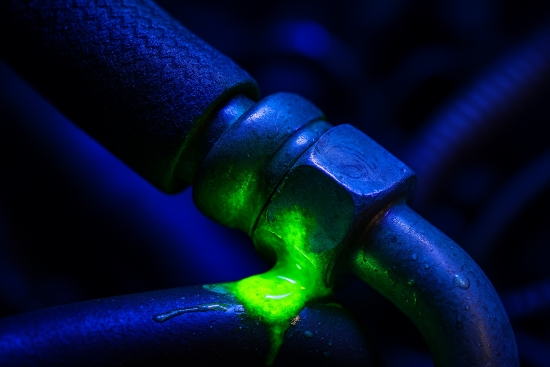
One common method involves adding a detection agent to the AC system. This agent circulates with the refrigerant. If a leak is present, the agent escapes and becomes visible under ultraviolet light. Using this method, our experienced a/c mechanics are able to pinpoint exact leak locations, including evaporator cores that are otherwise hidden.
Auto Service Experts follows manufacturer-guided testing procedures, combined with advanced detection tools, to verify leak locations before recommending any recharge or component replacement.
Electronic refrigerant detectors are another tool used in professional shops. These devices sense trace amounts of refrigerant in the air. Technicians move the detector along system components while the AC operates, allowing detection of leaks that only occur under pressure.
In some cases, experienced diagnostic technicians will also perform pressure testing. By monitoring how the system holds pressure over time, technicians can confirm whether a leak exists even if its location is not immediately visible.
Using multiple detection methods improves accuracy. This layered approach ensures repairs focus on the actual source of refrigerant loss rather than assumptions.
Why Accurate Leak Detection Leads to Reliable AC Repairs
Accurate leak detection plays a critical role in the longevity of AC repairs. Once the source of the leak is identified and properly sealed, the system can undergo a professional AC refrigerant recharge and leak repair service to restore refrigerant levels and ensure the air conditioning system operates as designed.
Incorrect or incomplete detection often leads to repeat refrigerant loss. Each recharge without repair adds stress to the compressor and increases the risk of internal wear. Over time, this can result in higher repair costs.
Reliable detection also helps technicians recommend appropriate repairs. Instead of replacing multiple parts unnecessarily, repairs can focus on the specific components that caused the leak.
For San Antonio drivers, dependable AC performance is not a luxury. Daily driving in warm conditions places constant demand on the system. Accurate detection helps ensure cooling remains consistent during long commutes and summer traffic.
Serving North San Antonio drivers, Auto Service Experts emphasizes diagnostic accuracy, transparent communication, and repair decisions based on measured system performance rather than guesswork. This approach helps prevent repeat failures and supports long-term cooling reliability.
If cooling performance has declined or signs of a leak are present, scheduling a professional AC diagnostic provides clarity. Proper testing allows repairs to be completed with confidence, helping restore comfort and maintain system reliability for the road ahead.