
Car Shakes When Braking
Diagnostic Overview by Auto Service Experts
If your steering wheel shakes, brake pedal pulses, or your vehicle vibrates when slowing down, the braking system may be experiencing friction variation or installation-related issues. Accurate brake vibration diagnosis prevents unnecessary parts replacement and repeat failures.
Our goal is to help you understand what may be causing the vibration, how professional brake diagnosis isolates the exact source, and what corrective steps prevent repeat failures. Each guide in our Brake Diagnostic Support Series connects symptoms to verified testing procedures and real repair solutions, following the same structured process used in our full Brake System Repair service so you clearly understand what your vehicle needs, why it needs it, and how the repair restores smooth, stable braking performance.
What Drivers Typically Feel
Drivers may describe this concern in several ways. Understanding the exact symptom helps isolate the root cause faster:
- Steering wheel shake during braking at highway speed
- Pulsation felt through the brake pedal
- Vehicle body vibration when slowing down
- Shaking that worsens after long downhill braking or heavy stops
- A vibration that appears shortly after recent brake work
Why Accurate Brake Vibration Diagnosis Matters
Brake vibration is often blamed on “warped rotors,” but true rotor warping is less common than installation errors, hub contamination, or uneven braking forces. A diagnostic-first inspection prevents unnecessary parts replacement and focuses on verified mechanical causes. When needed, advanced testing procedures are performed during our Diagnostic and Check Engine Light service to confirm system accuracy.
Common Verified Causes of Vehicle Shaking During Braking
Rotor Thickness Variation From Heat Cycling
Repeated heating and cooling can cause uneven rotor thickness. This leads to pulsation felt through the pedal or steering wheel during braking.
Rotor Runout Caused by Rust or Debris Between Hub and Rotor
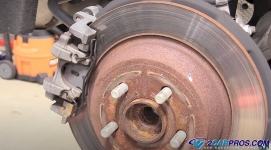
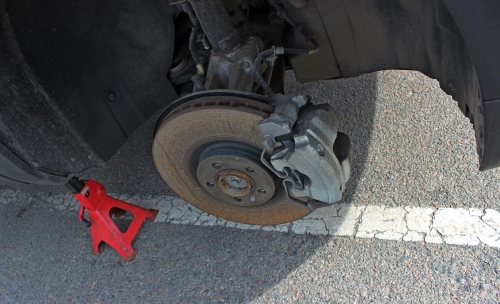
Corrosion or contamination on the hub surface can prevent the rotor from seating flat. This creates lateral runout, resulting in vibration under load.
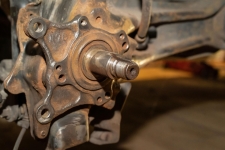
Improper Wheel Torque Distorting the Rotor
Uneven or excessive lug torque can introduce stress into the rotor hat, leading to distortion and braking pulsation. Proper torque procedures are part of every professional brake inspection performed through our Brake System Repair process.
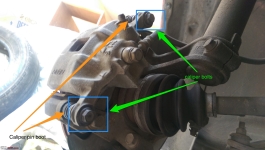
Sticking Caliper Slides Creating Uneven Pad Pressure
Restricted caliper movement prevents even pad contact, causing uneven wear patterns and vibration during braking.
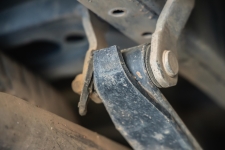
Suspension Looseness Amplifying Braking Load Transfer
Worn suspension components can exaggerate braking forces, making minor rotor variation feel more severe through the chassis and steering system. Supporting suspension inspection may involve an evaluation similar to our Suspension and Steering services.
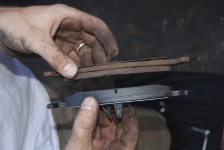
Uneven Pad Material Transfer or Rotor Surface Deposits
Brake vibration can occur when pad material transfers unevenly onto the rotor surface due to overheating, improper bedding, or inconsistent braking pressure. This creates friction variation that feels similar to rotor runout even when measurements are within specification.
Professional Diagnostic Process
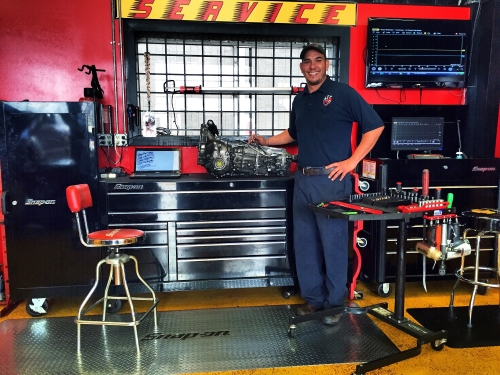
At Auto Service Experts, brake vibration is approached as a system-level diagnosis rather than a simple parts replacement. Our ASE Master Certified technicians follow a structured testing procedure: A proper brake pulsation diagnosis includes measuring rotor lateral runout, hub surface condition, and torque distortion patterns.
- Road test to confirm vibration type, speed range, and brake load behavior
- Measure rotor thickness variation with precision micrometers
- Check lateral runout using dial indicators
- Inspect hub surfaces for corrosion or debris affecting rotor seating
- Verify wheel torque and installation pattern
- Inspect caliper slides, bracket hardware, and pad contact points
- Evaluate suspension and steering components that influence braking stability
Components Commonly Replaced After Brake Vibration Diagnosis
Brake Rotors
Rotors are often replaced when thickness variation, excessive runout, heat checking, or surface damage cannot be corrected through machining or proper installation procedures.
Brake Pads
Pads may be replaced if uneven wear, glazing, contamination, or incorrect material selection contributes to vibration or inconsistent braking feel.
Caliper Hardware and Slide Pins
Binding or corroded hardware is a frequent source of uneven pressure. Service or replacement ensures proper caliper movement and even pad contact.
Brake Calipers (When Verified Failed)
If pistons stick, seals fail, or hydraulic restriction is present, caliper replacement may be necessary after confirming the fault through testing.
Wheel Bearings or Hub Assemblies
Excessive play or mounting surface irregularities can create rotor runout and vibration, requiring hub or bearing service when measurements exceed specifications.
Suspension Components
Loose tie rods, ball joints, control arm bushings, or worn shocks can amplify brake pulsation and may require replacement once verified during inspection.
What This Symptom Is NOT
Not every vibration felt while driving is caused by the brake system. Differentiating between similar symptoms helps avoid misdiagnosis:
Tire Balance or Wheel Issues
A tire balance problem typically creates vibration at steady speeds, even when you are NOT braking. If the shake only appears during braking, the cause is usually related to braking force or component alignment rather than wheel balance.
Suspension Shimmy Without Brake Input
Loose suspension components can cause instability over bumps or during turns, but brake-induced vibration appears specifically when pedal pressure is applied.
ABS Activation
ABS pulsation feels like rapid pedal feedback during hard stops or low-traction conditions. Normal braking vibration caused by rotor or mechanical variation usually feels more like a consistent shake or oscillation.
Speed-Specific Brake Vibration Diagnosis
Understanding when the vibration occurs helps narrow down root causes quickly:
High-Speed Braking (45–70 mph)
Often linked to rotor runout, thickness variation, or hub mounting issues that become more noticeable under higher rotational speeds.
Low-Speed Braking
May indicate pad material transfer, caliper hardware problems, or uneven rotor surface finish.
Vibration After Recent Brake Service
Commonly associated with improper torque procedures, unclean hub surfaces, or mismatched components.
Related Brake System Resource
This page is part of a structured diagnostic system that connects symptoms, causes, and verified repair procedures. Within the Auto Service Experts Brake Diagnostic Support Series, each symptom page links back to the main brake authority hub and supports related symptom guides. Drivers researching brake concerns may also find helpful information on related diagnostic pages, such as squeaking noise when braking, brake pedal goes to the floor, or ABS warning light diagnostics. These internal relationships help ensure you reach the correct diagnostic pathway rather than treating symptoms individually.
For a full overview of brake system inspection, component function, and repair strategy, see our main Brake Repair service page for additional diagnostic information and system-level explanations.
Safety Considerations
While some brake vibration begins as a comfort issue, it can indicate uneven braking force, increasing stopping distance, accelerating component wear. Ignoring the symptom may lead to:
- Reduced braking efficiency
- Premature pad and rotor wear
- Steering instability during emergency braking
- Increased stress on suspension components
Prompt inspection ensures braking performance remains consistent and predictable.
How Repeat Failures Are Prevented
At Auto Service Experts, we follow a diagnostic-first process to identify the root cause of brake vibration. Our technicians measure rotor thickness and runout with precision tools, clean hub mating surfaces to ensure proper rotor seating, torque wheels to manufacturer specifications, verify caliper movement and hardware condition, and inspect supporting suspension components. By correcting the mechanical source of variation, we prevent repeated vibration after brake service and restore consistent braking performance.
Related Brake Symptoms
This symptom page is part of the Auto Service Experts diagnostic pathway designed to help drivers move from symptoms to verified root-cause diagnosis. If your concern feels slightly different than vibration during braking, you may want to review the related brake symptom guides below:
- Car shakes when braking – vibration or pulsation felt through the steering wheel or pedal during deceleration (current page).
- Squeaking brake noise – high-pitched noise often related to pad material, hardware movement, or rotor surface condition. See the dedicated diagnostic guide:.
- Brake pedal goes to the floor – hydraulic pressure loss or internal component failure requiring immediate inspection. See diagnostic guide.
- Hard brake pedal – possible vacuum, booster, or hydraulic restriction concerns affecting braking effort.
- Brake warning light illuminated on dashboard – electronic braking system faults that require scan tool verification and system testing.
- ABS warning light on dashboard – indicates a stored ABS system fault that disables anti-lock braking while normal hydraulic braking remains operational.
These related diagnostic paths help ensure the correct problem is identified before repairs begin, preventing unnecessary parts replacement and improving long-term reliability.
Frequently Asked Questions About Brake Vibration
Why does my car shake only when I brake and not while driving?
When vibration appears only during braking, it usually indicates variation within the brake system itself such as rotor thickness variation, runout, or uneven braking pressure rather than tire balance or wheel issues. A proper inspection measures these components to verify the exact cause.
Are my brake rotors warped if the steering wheel shakes?
Many drivers describe the condition as “warped rotors,” but true warping is less common than uneven rotor thickness, improper installation, or contamination between the hub and rotor. Precision measurement is required to confirm the actual condition.
Is it safe to keep driving if my car shakes when I brake?
Mild vibration may begin as a comfort issue, but it can indicate uneven braking force or component wear. Continued driving without inspection may increase stopping distance or accelerate damage to pads, rotors, or suspension components.
Can improper wheel torque cause brake vibration?
Yes. Uneven or excessive lug nut torque can distort the rotor mounting surface, creating runout that leads to vibration during braking. Proper torque procedures are critical after tire or brake service.
Why did brake vibration start after recent brake work?
Post-service vibration is often linked to hub surfaces not being cleaned, rotors not seating flat, or incorrect torque procedures. Diagnostic inspection focuses on verifying installation accuracy and mechanical alignment.
Will replacing brake pads alone fix the shaking?
Not always. If the root cause involves rotor variation, caliper hardware issues, or suspension looseness, replacing pads alone may not eliminate vibration. A diagnostic-first approach identifies the mechanical source before recommending repairs.
Have Automotive Questions?
Call 210-495-6688 now to speak with an ASE-Certified brake repair specialist or automotive service consultant.