
Auto repair efficiency directly affects how long your vehicle stays reliable, how often repairs are needed, and how much time you spend without transportation. For drivers in San Antonio, efficient auto repair means problems are identified accurately, repairs are completed without unnecessary delays, and vehicles return to the road ready for daily use.
Efficiency in an auto repair shop does not mean rushing through work. It means using proven systems, skilled technicians, and clear communication to deliver consistent results. When auto repair efficiency principles are followed, drivers benefit from fewer repeat visits, predictable service timelines, and repairs that support long-term vehicle performance.
What Auto Repair Efficiency Means for Vehicle Owners
Auto repair efficiency refers to how effectively a repair shop uses time, tools, and expertise to diagnose and fix vehicles correctly. For vehicle owners, this shows up in practical ways such as accurate estimates, realistic completion times, and repairs that solve the original issue.
An efficient auto repair shop follows structured processes rather than relying on guesswork. Each repair begins with gathering clear information from the driver, followed by methodical inspection and testing. This reduces wasted labor and unnecessary parts replacement.
For San Antonio drivers, efficiency matters because vehicles are often used daily for work, school, and family obligations. Delays or repeated repairs create inconvenience and added expense. Shops that value efficiency aim to limit downtime while maintaining consistent repair quality.
Efficiency also supports transparency. When workflows are organized, service advisors can provide clear updates and technicians can focus on the task at hand. A higher efficiency rate leads to smoother service experiences and fewer surprises for customers.
Diagnostic Accuracy as the Foundation of Efficient Repairs
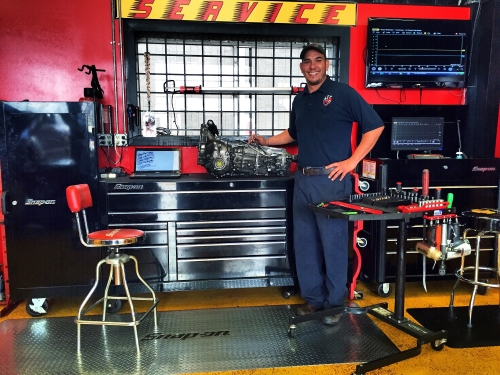
Accurate diagnostics sit at the center of auto repair efficiency principles. Without a correct diagnosis, even well-executed repairs can fail to address the real issue. Diagnostic accuracy ensures that time and resources are spent on the right solution.
Professional repair shops use advanced diagnostic tools alongside hands-on inspection to confirm system behavior. This may include reading fault data, testing electrical components, checking mechanical wear, and reviewing vehicle history. Each step helps narrow down the source of a concern.
When diagnostics are rushed or incomplete, repairs often take longer and cost more over time. Replacing parts without confirmation can lead to repeat visits and ongoing problems. Efficient shops avoid this by following structured diagnostic steps before recommending service.
For drivers, accurate diagnostics protect both the vehicle and the budget. Repairs completed with confidence tend to last longer and support dependable performance. This approach also builds trust, since customers can see that recommendations are based on verified findings rather than assumptions.
Technician Productivity and Process Management in the Shop
Technician productivity plays a major role in auto repair efficiency. Productivity does not mean working faster at the expense of quality. It means technicians have the training, information, and tools needed to complete repairs correctly without unnecessary interruptions.
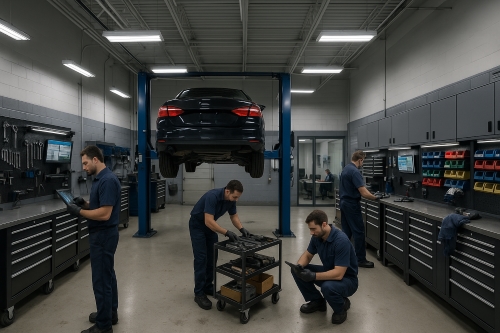
Process management helps support technician productivity. Clear workflows guide repairs from check-in through final inspection. Tasks are assigned logically, parts are ordered promptly, and documentation is completed as work progresses. This structure reduces delays and confusion.
In a well-managed shop, technicians know what is expected at each stage of a repair. Access to accurate repair information and diagnostic data allows them to focus on the work rather than searching for answers. This improves consistency across different service types.
For San Antonio drivers, strong process management leads to predictable service timelines and reliable results. Vehicles spend less time waiting in the shop, and repairs are completed with attention to detail rather than haste.

Measuring Efficiency Rates and Production Ratios
Measuring technician efficiency helps repair shops understand how well their systems are working. Efficiency rates compare the time spent on repairs to the time billed for completed work. Production ratios examine how labor hours translate into completed services.
These measurements allow shop management to identify patterns that affect service delivery. For example, frequent delays may point to parts availability issues or gaps in diagnostic procedures. Reviewing efficiency data helps address these challenges before they impact customers.
Measuring efficiency also supports accountability. When technicians and service advisors understand how performance is tracked, they can work together to improve workflows. This collaboration leads to steady improvement across the shop.
For drivers, efficiency measurement means fewer surprises. Shops that track performance tend to provide realistic estimates and follow through on commitments. This builds confidence that repairs are being handled responsibly.
Choosing an Auto Repair Shop Focused on Efficiency
Selecting an auto repair shop involves more than location or pricing. For long-term vehicle reliability, drivers benefit from choosing a shop that follows proven efficiency principles with the goal of continuously improving operations.
Signs of an efficient auto repair shop include clear communication, organized service processes, and technicians who explain findings without confusion. Written estimates, timely updates, and documented inspections all reflect an efficiency-focused approach.
In San Antonio, where vehicles are exposed to heavy traffic and seasonal heat, efficient repairs help prevent small issues from becoming larger problems. Shops that value efficiency aim to keep vehicles operating reliably under local driving conditions.
If your vehicle needs service or maintenance, scheduling an appointment with a repair shop that prioritizes efficiency can reduce downtime and support dependable driving. Working with professionals and mechanics who value accuracy, organization, and clear communication helps ensure your vehicle receives the care it needs for everyday use.